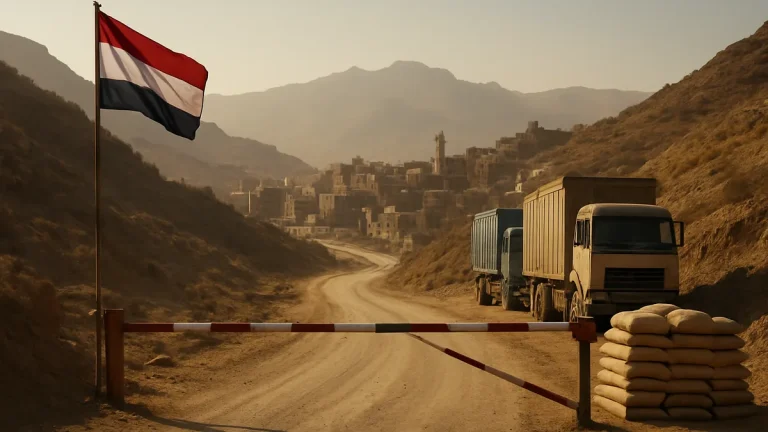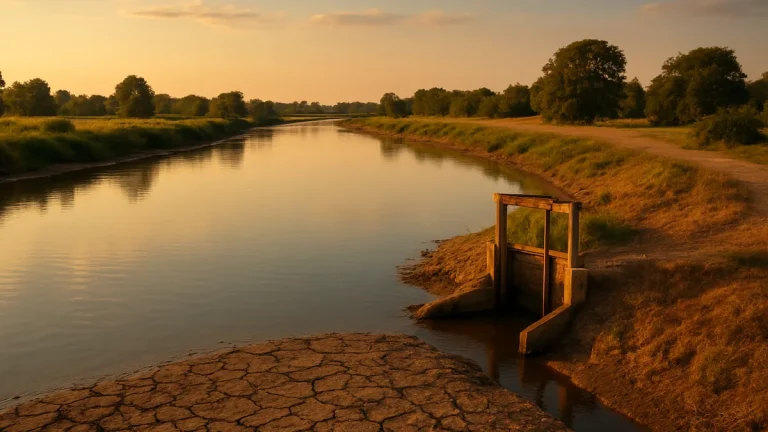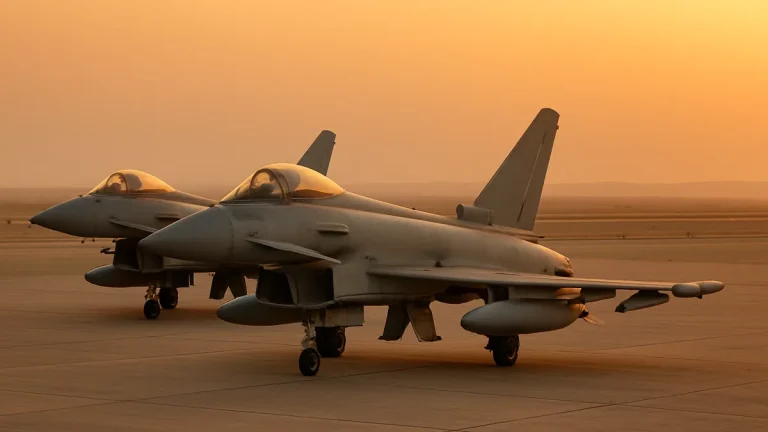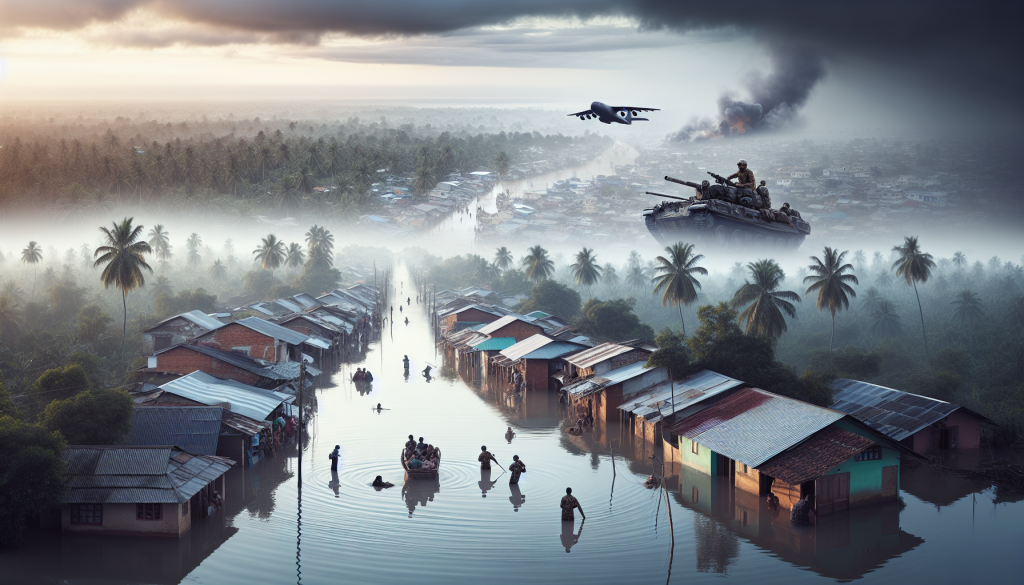

Sri Lanka is confronting a severe triple crisis as the ongoing conflict in Iran intensifies the difficulties faced by the island nation. Already struggling with catastrophic floods that have displaced thousands and caused widespread damage, the country is now grappling with the additional economic fallout linked to the war. The disruption in global oil supplies and trade routes has further strained Sri Lanka’s fragile economy, which was already on the brink due to debt and inflation issues.
In a significant development, the Iran war has impacted Sri Lanka’s ability to import essential goods, including fuel and food, at a time when recovery efforts from the floods require substantial resources. The floods themselves have devastated infrastructure, agriculture, and homes, compounding the humanitarian crisis. Meanwhile, the economic turmoil has led to shortages and increased prices, making it harder for the government and citizens to cope with the mounting challenges.
Notably, the convergence of these crises threatens to undermine Sri Lanka’s stability and development prospects in the near term. The government faces immense pressure to secure international aid and manage the complex interplay of natural disaster recovery and geopolitical tensions. This multifaceted predicament highlights the vulnerability of nations caught in the crossfire of regional conflicts while battling internal emergencies.