

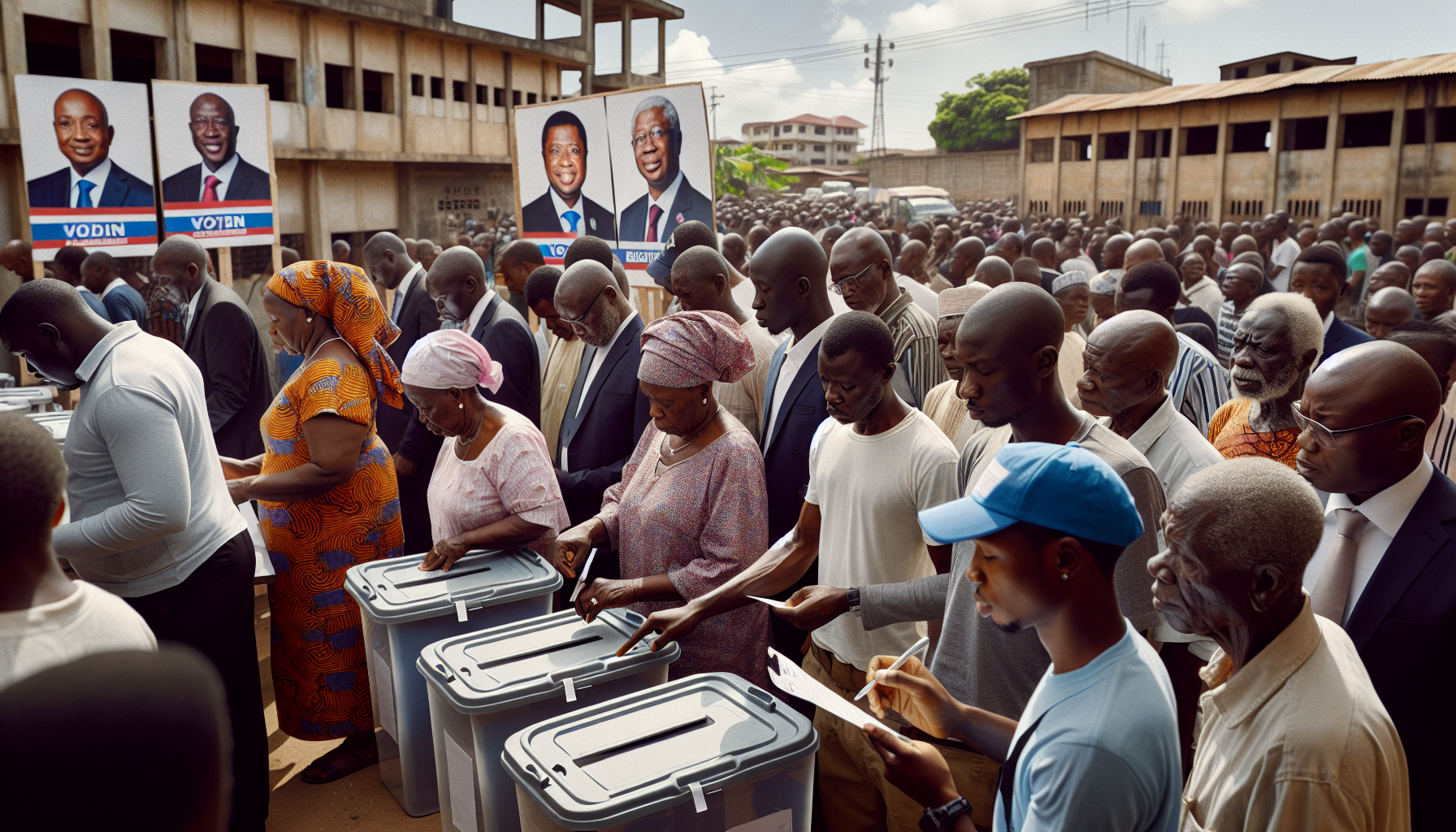
Benin is set to hold a crucial presidential election this Sunday, marking a significant moment in the country’s political landscape. The current president, Patrice Talon, who has governed for ten years, will not seek re-election, opening the field for new leadership. Among the candidates, the finance minister stands out as the favorite to succeed Talon, signaling potential continuity in economic policies. This election is closely watched as it could influence Benin’s development trajectory and democratic consolidation.
Patrice Talon’s decade-long tenure has been characterized by efforts to stabilize the economy and attract foreign investment, which have shaped Benin’s recent progress. The finance minister’s prominence in the race suggests that voters may prioritize economic stability and growth in their decision. Meanwhile, opposition parties and civil society groups are keenly observing the process to ensure transparency and fairness. The outcome will not only determine the next head of state but also set the tone for governance and reform in the coming years.
In a significant development for West Africa, Benin’s election could impact regional politics and economic cooperation. The peaceful transition of power is vital for maintaining the country’s reputation as a stable democracy in the region. International observers are expected to monitor the election closely, emphasizing the importance of credible electoral practices. Ultimately, the results will reveal the public’s appetite for change or continuity after a decade under Talon’s leadership.
