

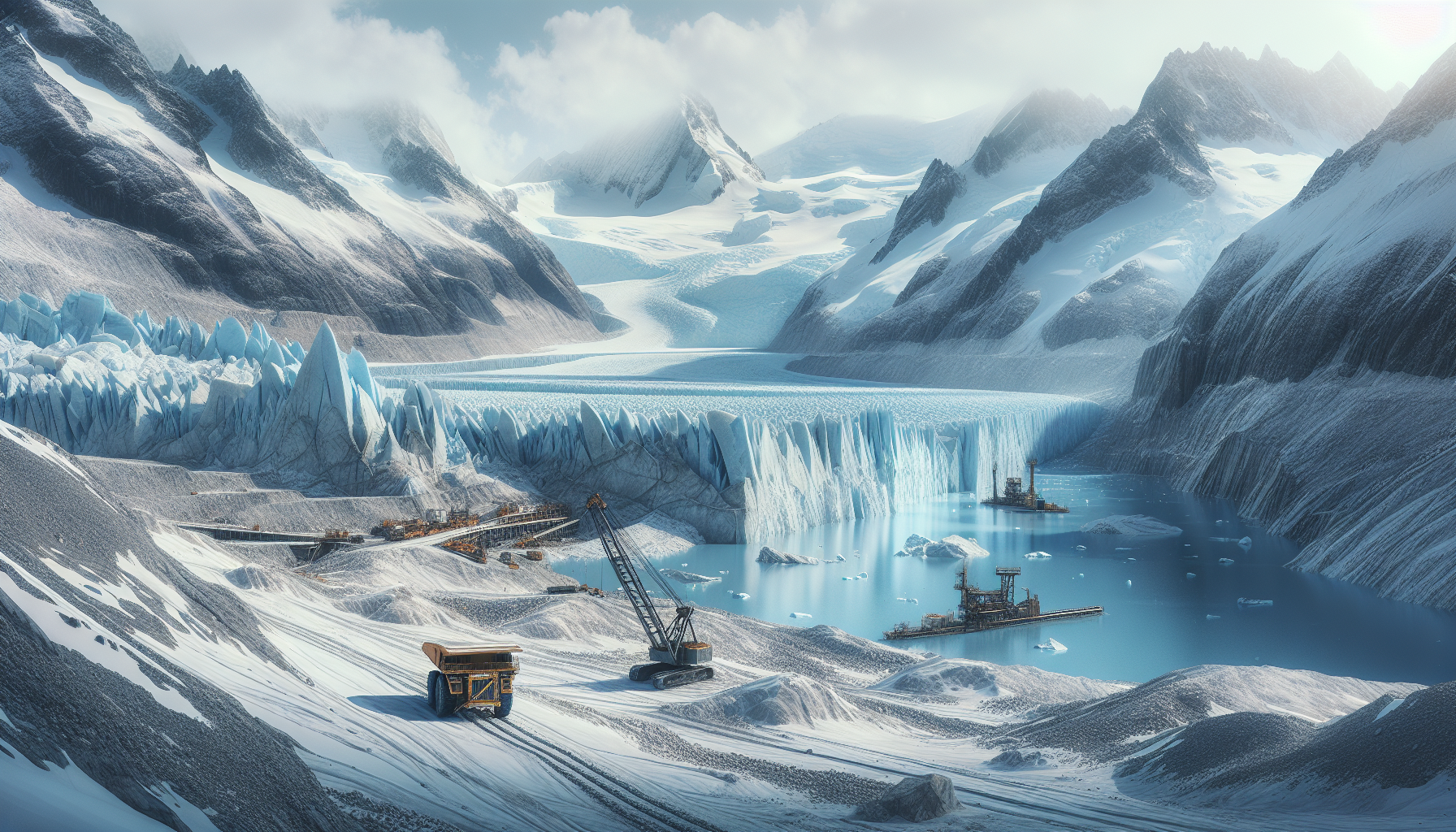
Argentina has enacted a contentious law that eliminates existing protections for its glaciers, a move that permits mining operations in these sensitive areas. This legislative change marks a significant shift in the country’s environmental policy, as glaciers are crucial sources of freshwater and biodiversity. The decision has ignited widespread concern among environmentalists and local communities who depend on glacier-fed water supplies. Critics argue that mining could accelerate glacier degradation, threatening water availability and ecological balance.
Glaciers in Argentina, particularly in the Andes, play a vital role in sustaining rivers and ecosystems, especially during dry seasons. Their preservation is essential not only for biodiversity but also for agriculture, hydroelectric power, and human consumption. The new law’s passage reflects the government’s prioritization of economic development through mining over environmental conservation. This trade-off has sparked debates about sustainable resource management and long-term impacts on water security in the region.
In a significant development, the law’s approval has mobilized activists and international observers who warn of irreversible damage to Argentina’s natural heritage. The controversy highlights the global challenge of balancing economic interests with environmental protection amid climate change pressures. Meanwhile, the future of Argentina’s glaciers remains uncertain, with potential consequences for millions who rely on their meltwater. The situation underscores the urgent need for policies that safeguard critical water resources while addressing economic growth.
