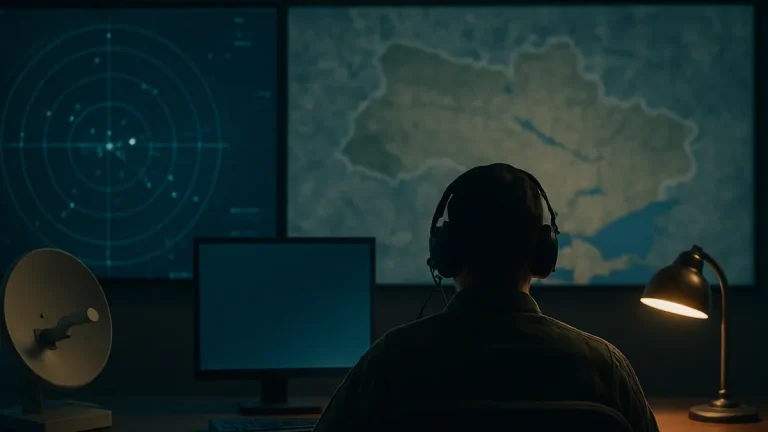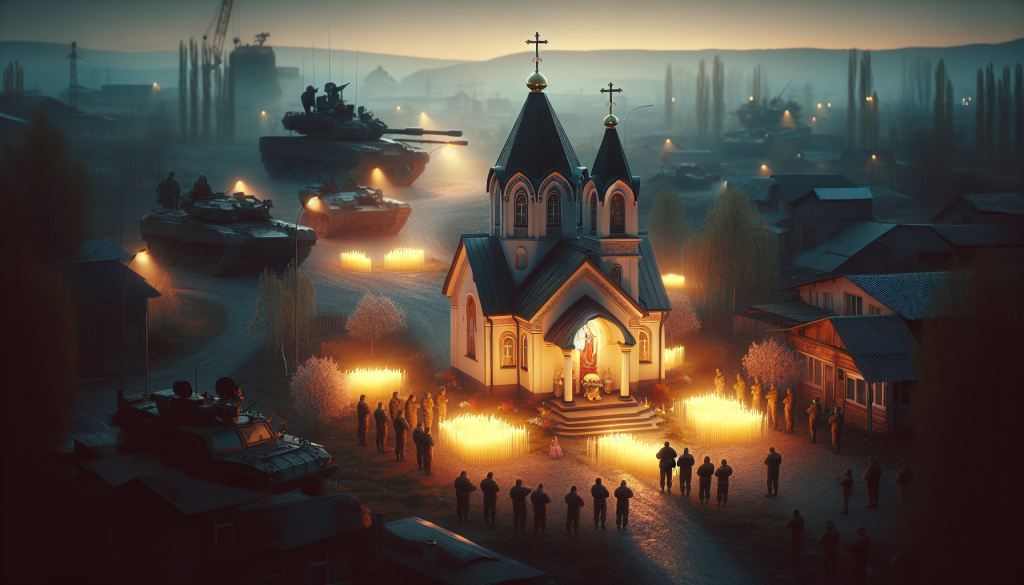

In a significant development amidst the ongoing conflict, Russia and Ukraine have agreed to a temporary ceasefire lasting 32 hours to coincide with Orthodox Easter celebrations. This truce marks a rare moment of calm as both sides face mounting pressures from prolonged warfare and stalled diplomatic efforts. The ceasefire aims to allow civilians to observe the religious holiday without the immediate threat of violence, reflecting the cultural importance of Orthodox Easter in the region.
Despite this brief pause, the broader conflict between Moscow and Kyiv continues to challenge international peace efforts, with negotiations showing little progress in recent months. The fighting has resulted in significant humanitarian crises and widespread destruction, making any ceasefire a critical opportunity for relief and dialogue. Observers note that such temporary truces, while limited in duration, can help build trust and open channels for future negotiations.
Meanwhile, the international community watches closely as the ceasefire unfolds, hoping it might pave the way for longer-lasting peace agreements. The Orthodox Easter truce underscores the complex interplay between cultural traditions and geopolitical conflict, highlighting the potential for religious observances to influence wartime conduct. However, the sustainability of peace remains uncertain as both sides prepare for the possibility of renewed hostilities once the ceasefire ends.