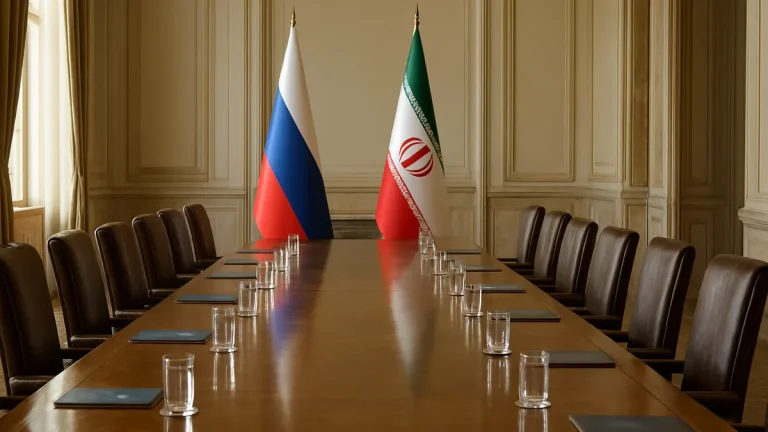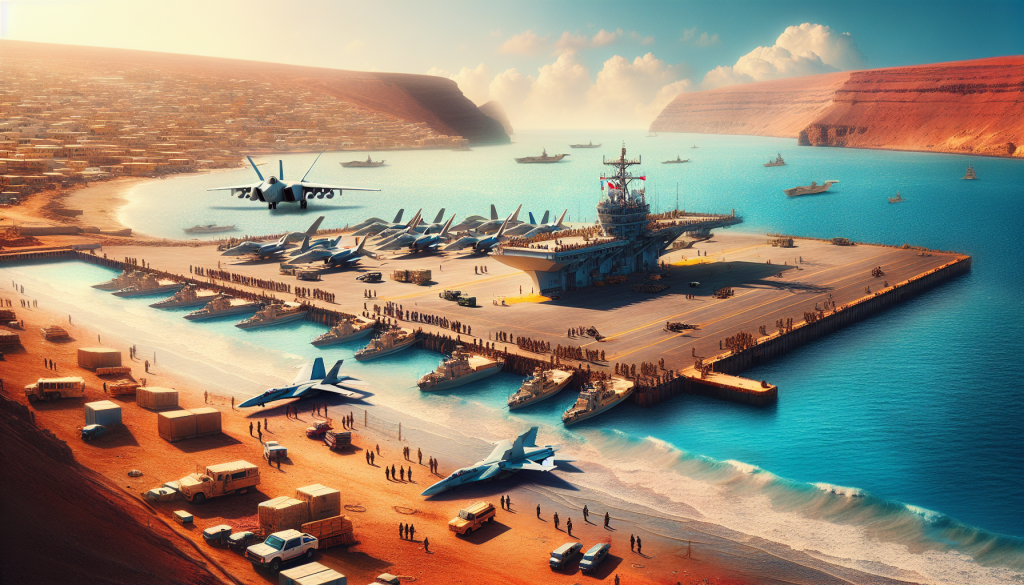

Djibouti has developed a unique economic model centered on leasing military facilities to various international powers, capitalizing on its strategic position at the entrance to the Red Sea. This approach has transformed the small nation into a critical hub for global military operations, attracting countries seeking to secure maritime routes and regional influence. The Horn of Africa, where Djibouti is located, is increasingly becoming a focal point in geopolitical rivalries, particularly involving Iran and its adversaries.
In a significant development, Djibouti’s role as a military landlord has heightened its importance in the broader conflict dynamics surrounding Iran. The country’s ability to host multiple foreign military bases simultaneously has made it a frontline state in the ongoing power struggles in the region. This strategic positioning allows global powers to monitor and counter Iran’s activities in the Middle East and East Africa, underscoring Djibouti’s growing geopolitical relevance.
Meanwhile, the economic benefits of this military leasing strategy have provided Djibouti with substantial revenue streams, boosting its economy and infrastructure development. However, this also places the country at the center of complex international tensions, potentially exposing it to security risks and diplomatic challenges. As the Horn of Africa continues to gain prominence in global security discussions, Djibouti’s role as a military hub will likely remain pivotal in shaping regional stability and international relations.