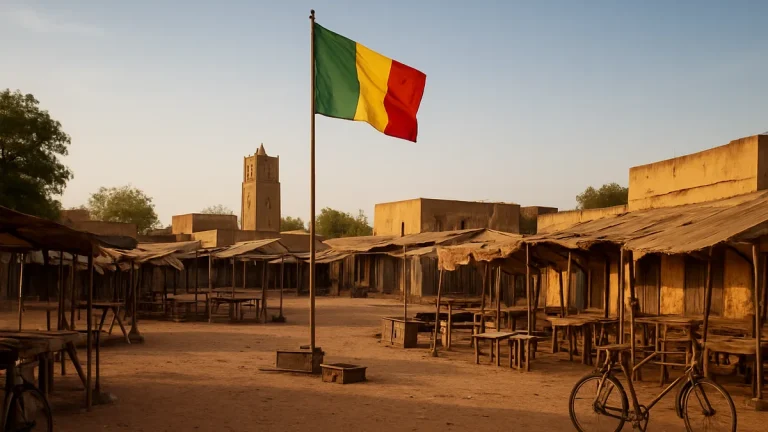
In a remote village in The Gambia, descendants of Ghanaian fishermen who settled there decades ago are confronting a severe identity crisis. Despite being born and raised in the village, hundreds of residents lack official identification documents, rendering them effectively stateless. This absence of legal recognition restricts their access to essential services such as education, healthcare, and voting rights. The community’s plight highlights the broader challenges faced by stateless populations in West Africa.
Historically, the village was established by Ghanaian fishermen seeking new livelihoods along the Gambian coast. Over generations, their families have integrated into local society, yet bureaucratic hurdles and nationality laws have left many without formal citizenship. Statelessness often results from complex legal and administrative barriers, leaving individuals in limbo without protection under any government. This situation not only undermines human rights but also hampers social and economic development within the community.
In a significant development, international human rights organizations have begun advocating for policy reforms to address statelessness in the region. Recognizing the urgency, Gambian authorities are being urged to implement measures that facilitate the registration and documentation of these residents. Resolving this issue is critical to ensuring that the descendants of Ghanaian fishermen can fully participate in society and access their fundamental rights. Meanwhile, the village’s predicament serves as a poignant example of the ongoing global struggle against statelessness.