
Iran’s ambassador to Pakistan, Dr. Reza Amiri Moghadam, announced on Tuesday that Pakistan’s diplomatic initiatives aimed at ending the ongoing conflict have reached a pivotal and sensitive phase. He described Pakistan’s efforts as positive and productive goodwill measures, urging the public to stay tuned for further developments.
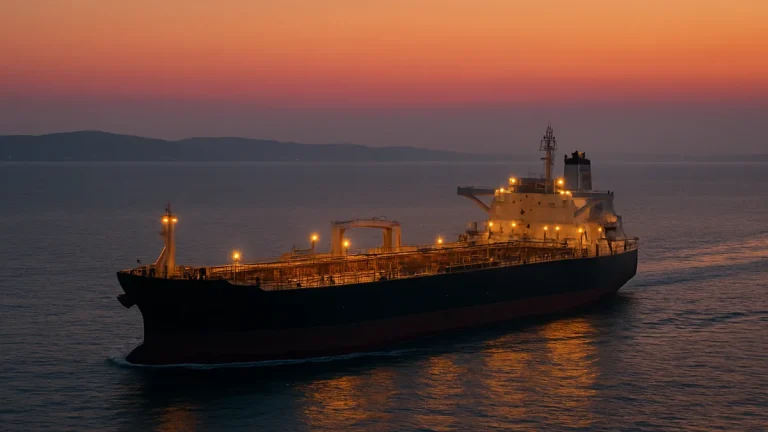
This statement came just hours before a deadline set by US President Donald Trump, demanding that Iran reopen the Strait of Hormuz to international shipping or face potential attacks on critical infrastructure. Meanwhile, Iran’s state media reported that Tehran has rejected a proposed ceasefire in the conflict involving the United States and Israel.
Iran conveyed its response to Pakistan regarding the American proposal to end the hostilities, though details of the offer remain undisclosed. The Iranian state news agency IRNA indicated that Iran’s reply, outlined in ten points, refused a ceasefire and emphasized the necessity for a definitive resolution to the conflict.
The conflict, which has lasted over five weeks, was ignited by US and Israeli strikes on Iran. In retaliation, Iran effectively closed the strategic Strait of Hormuz and launched missile attacks on targets across the Middle East. Several nations, including Pakistan, have been mediating to halt the escalation.
IRNA, Tehran’s demands include ending regional conflicts, establishing a protocol for safe passage through the Strait of Hormuz, reconstruction efforts, and lifting sanctions. The New York Times, citing unnamed senior Iranian officials, reported that Iran also seeks guarantees against future attacks and a halt to Israeli strikes on Hezbollah in southern Lebanon.
Under the proposed arrangement, Iran would reopen the Strait of Hormuz for shipping but impose a fee of approximately $2 million per vessel. This revenue would be shared with Oman, which borders the waterway. Iran plans to use its portion of the funds to rebuild infrastructure damaged by US and Israeli attacks, rather than seeking direct compensation.