

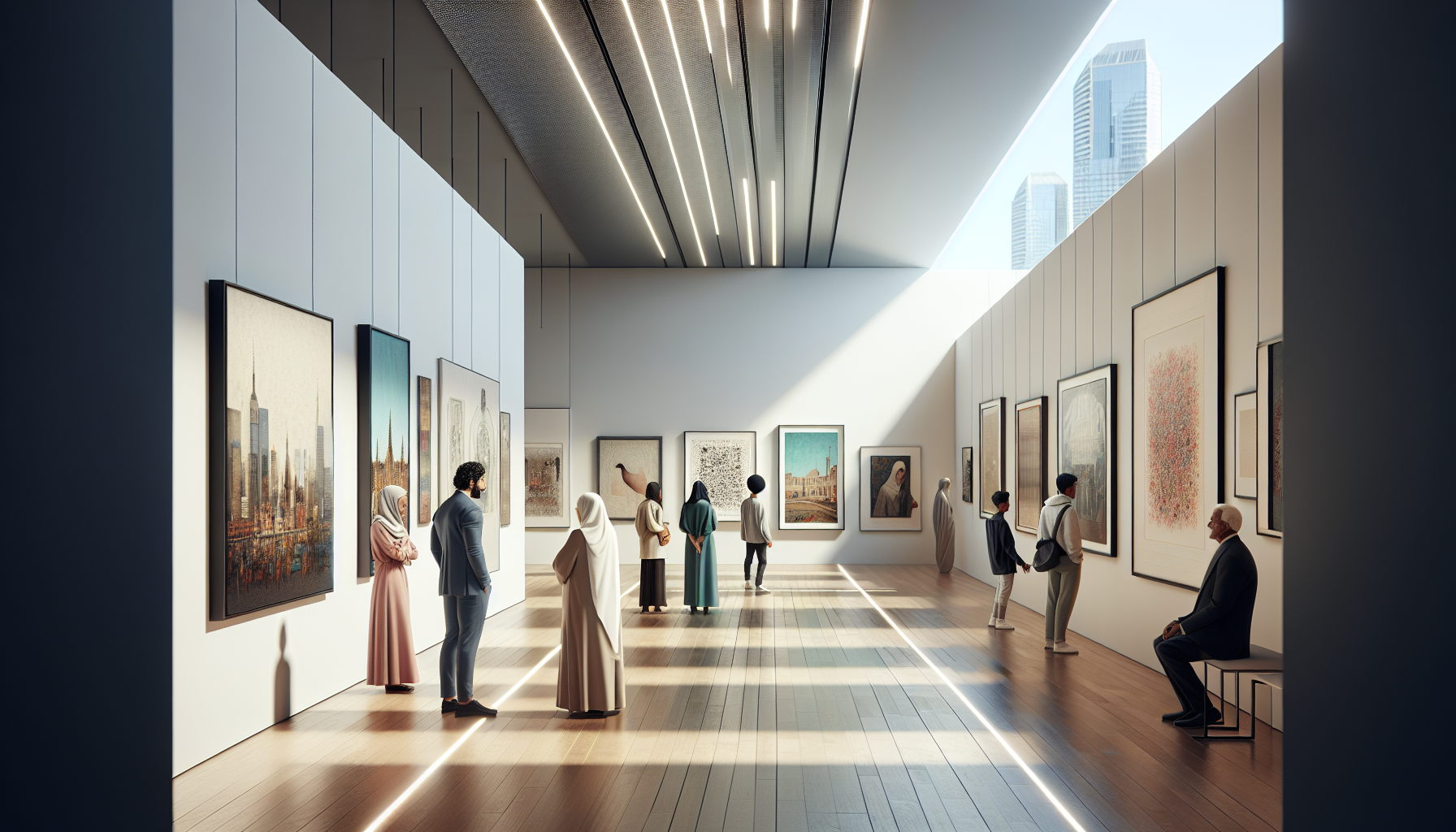
The relevance of contemporary art has become a topic of increasing debate among art critics, collectors, and the general public. Once celebrated for its innovation and boundary-pushing concepts, contemporary art now faces questions about its cultural significance and connection to everyday audiences. This discussion reflects broader concerns about how art evolves and resonates in a rapidly changing world.
Historically, contemporary art has played a crucial role in challenging traditional aesthetics and encouraging new forms of expression. It often mirrors societal issues, pushing viewers to reconsider norms and values. However, some argue that the movement has become overly commercialized or disconnected from genuine artistic expression, prompting calls to reassess its role in the art world.
In a significant development, this debate influences galleries, museums, and artists who must navigate shifting public perceptions and market demands. The outcome could reshape how contemporary art is curated, funded, and appreciated globally. As the conversation continues, it highlights the dynamic relationship between art, society, and cultural relevance in the 21st century.
