

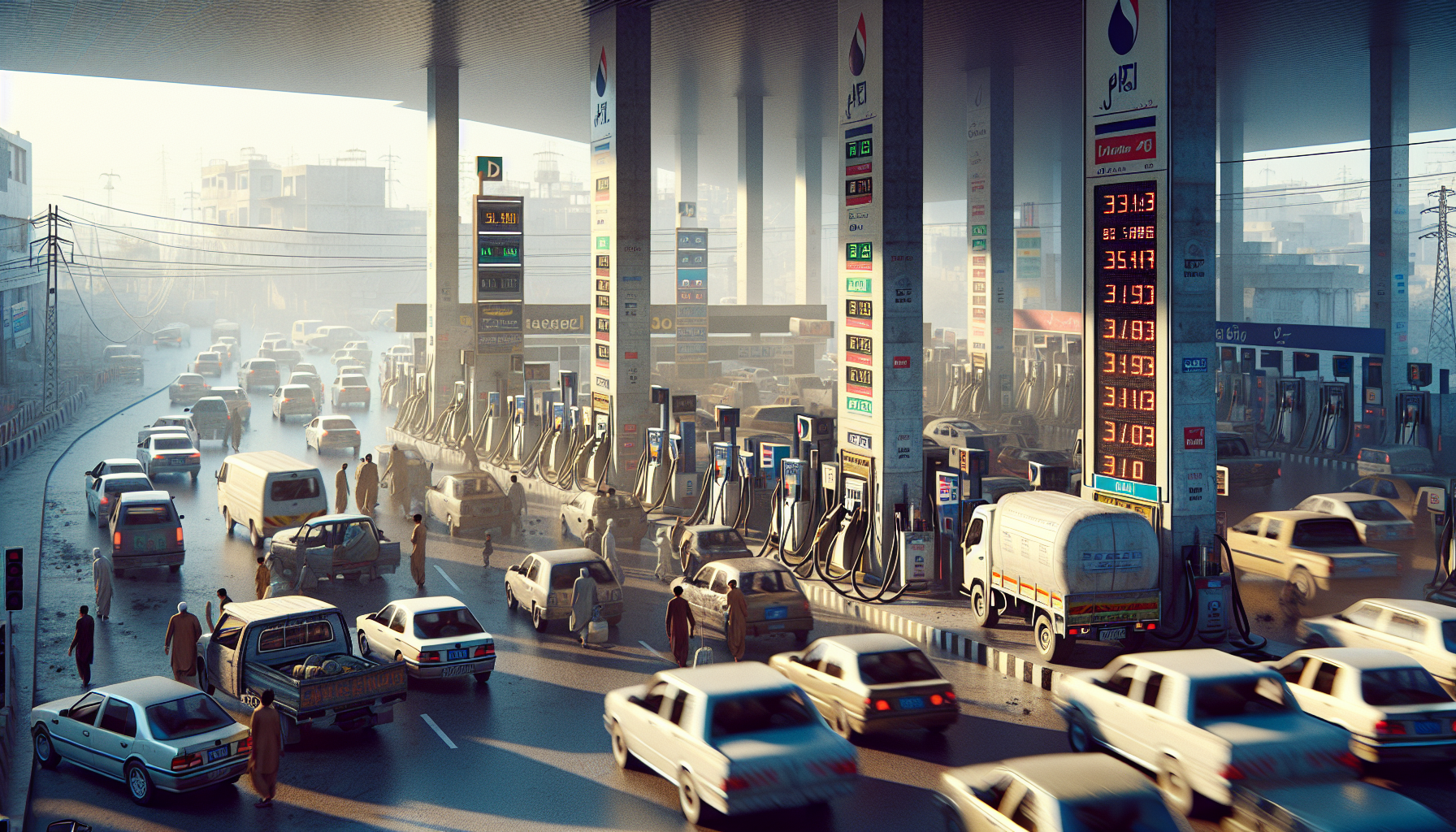
In a recent statement, Saad Rafique expressed strong disapproval of the government’s decision to raise petrol prices. Highlighting the difficulties faced by ordinary citizens, he questioned how people would manage to survive under the increasing financial burden. This price adjustment comes at a time when inflation and living costs are already escalating, intensifying public hardship.
Petrol price hikes have significant ripple effects on the economy, influencing transportation costs, goods prices, and overall inflation rates. Rafique’s criticism underscores the broader debate about balancing fiscal policies with the welfare of the population. The increase is likely to affect not only daily commuters but also small businesses and low-income families who rely heavily on affordable fuel.
In a significant development, opposition voices like Rafique’s are drawing attention to the socio-economic consequences of such policy decisions. The public response and political discourse surrounding the petrol price rise may pressure authorities to reconsider or mitigate the impact. Meanwhile, the government faces the challenge of managing economic stability while addressing citizens’ grievances over rising expenses.
