

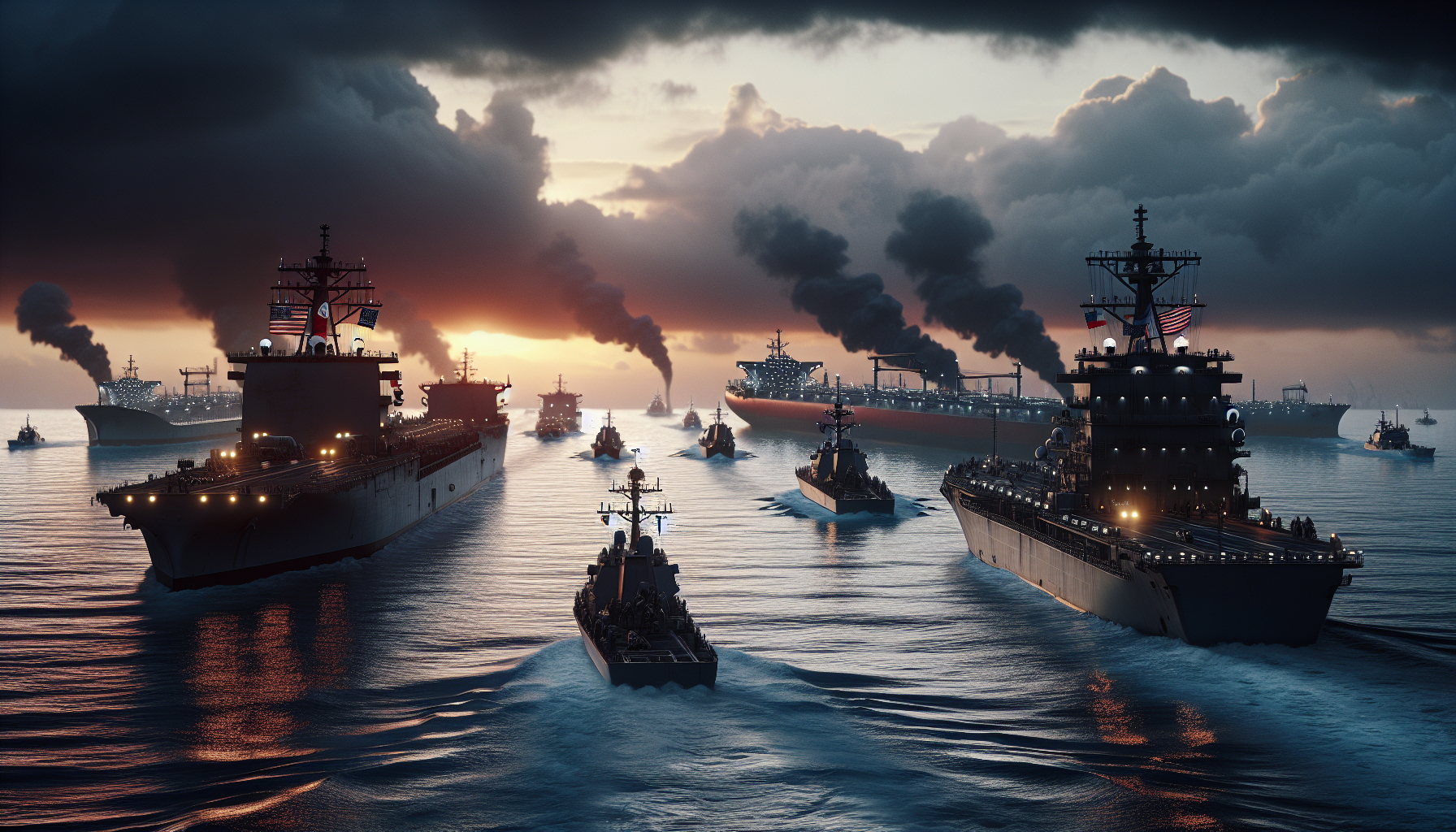
The United States and Iran have recently escalated their confrontations through a series of attacks in the Gulf region, underscoring the ongoing struggle for dominance over these critical waters. This maritime area is strategically significant due to its role in global oil transportation and geopolitical influence. Both nations seek to assert control, which has led to increased military engagements and heightened regional instability.
In a significant development, these attacks reflect broader tensions between Washington and Tehran, rooted in longstanding political and ideological conflicts. The Gulf’s waterways are vital for international trade, making control over them a key objective for both countries. The confrontations risk disrupting global energy supplies and could provoke wider military responses from regional and international actors.
Meanwhile, the escalation has drawn international concern, as the Gulf remains a flashpoint for potential conflict. The ongoing clashes not only affect regional security but also have implications for global markets and diplomatic relations. Efforts to de-escalate tensions and establish maritime security protocols are increasingly urgent to prevent further destabilization in this critical area.
