

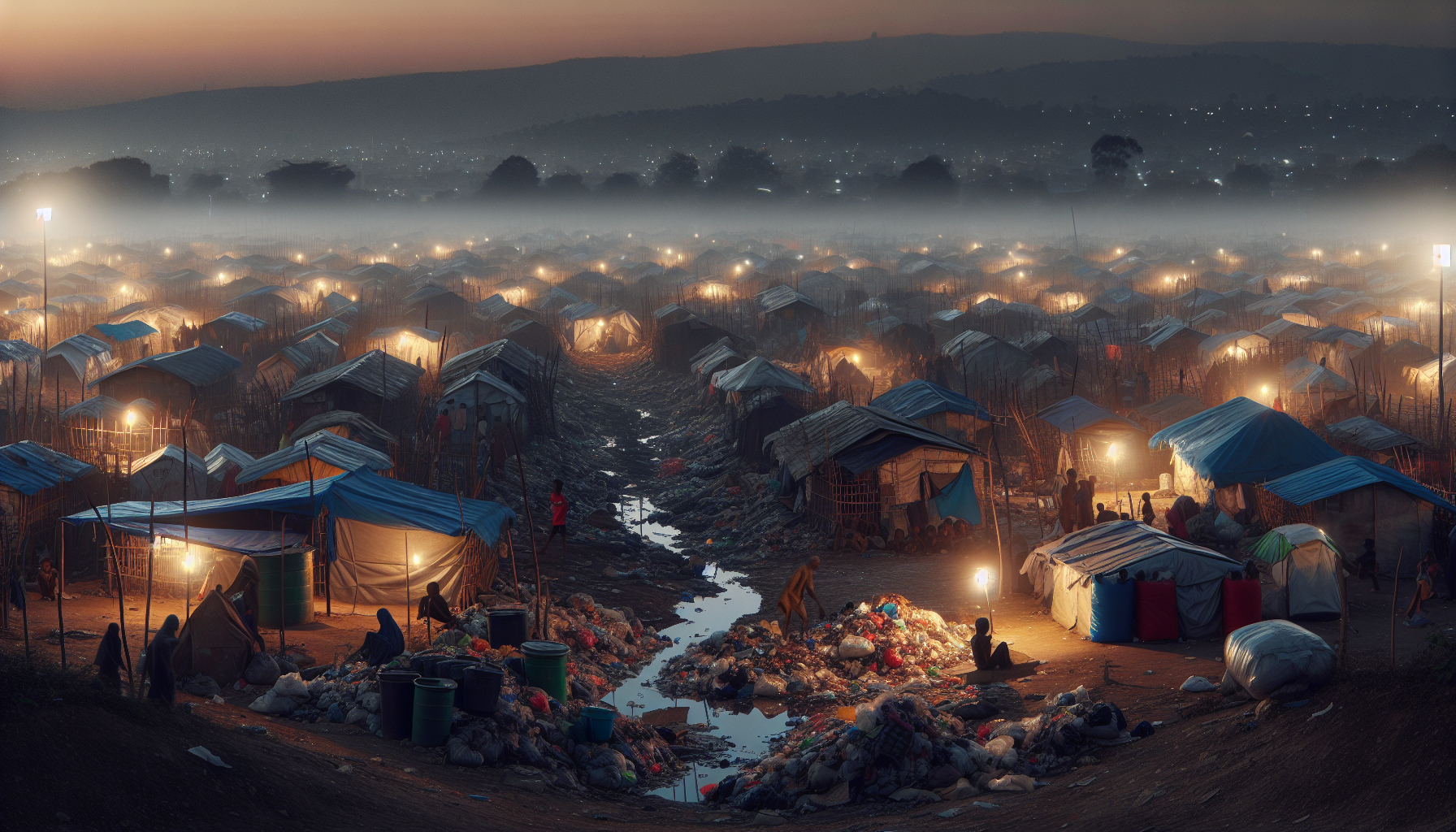
In the Gaza Strip, displaced families living in overcrowded camps are confronting a growing menace beyond the ongoing conflict: infestations of rats, weasels, and other pests. These animals are not only a nuisance but also pose serious health threats by spreading diseases in already vulnerable communities. The cramped and unsanitary conditions in the camps provide an ideal environment for these pests to thrive, exacerbating the hardships faced by residents.
Meanwhile, humanitarian organizations warn that the presence of these animals complicates efforts to improve living standards and control disease outbreaks. The ongoing blockade and repeated conflicts have severely limited access to adequate sanitation and pest control measures, leaving displaced populations exposed to additional risks. This situation highlights the broader challenges of displacement, where basic needs such as hygiene and safety are difficult to maintain.
In a significant development, the pest infestations underscore the urgent need for comprehensive humanitarian aid and infrastructure support in Gaza. Addressing these issues is critical to preventing further health crises and improving the quality of life for thousands of displaced Gazans. The situation also draws attention to the long-term impacts of conflict on civilian populations, where even small threats like rodents can have devastating consequences.
