

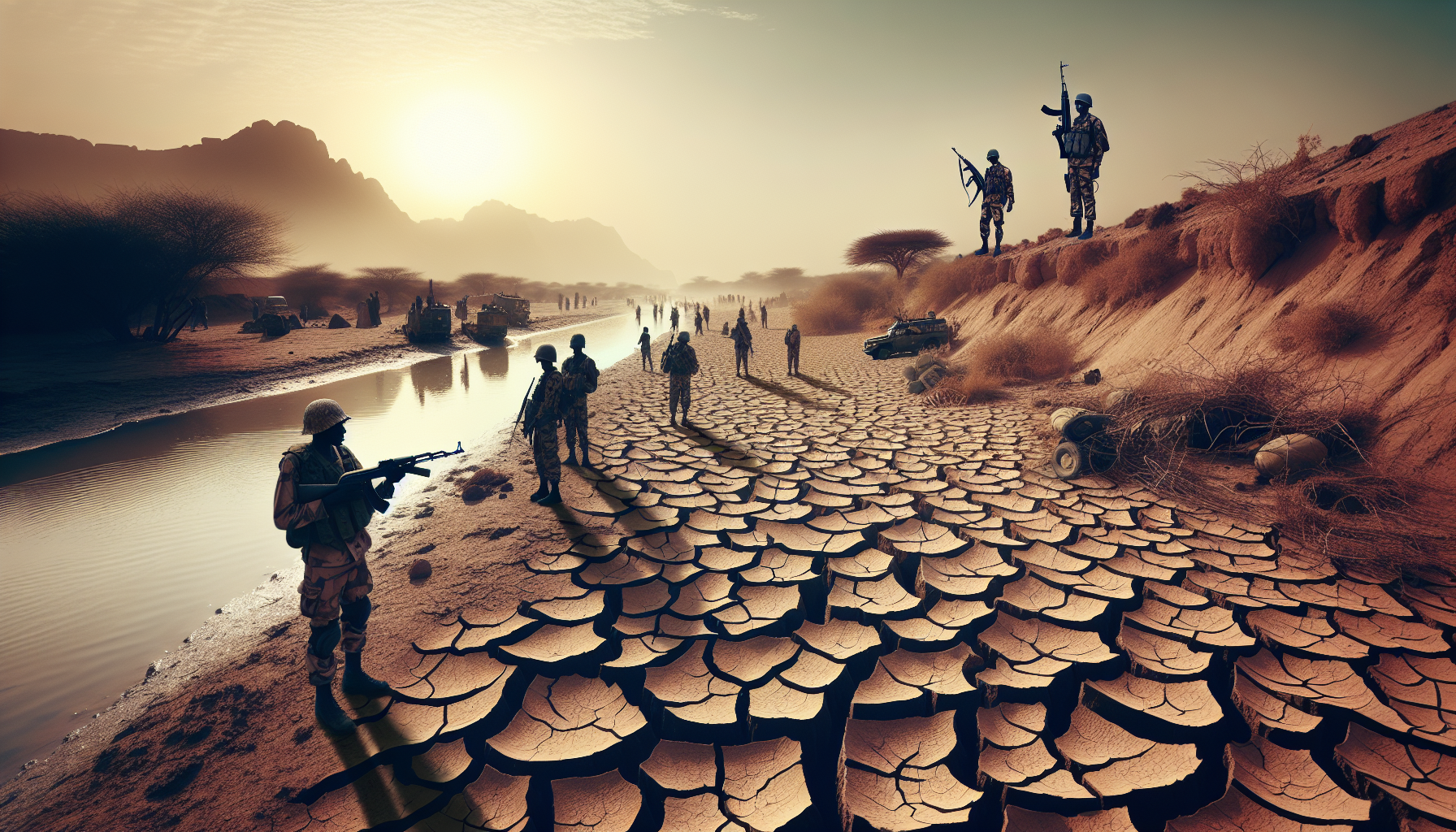
In Chad, a deadly conflict over access to water resources has resulted in the deaths of at least 42 individuals. The dispute escalated into a series of reprisal attacks, highlighting the severe tensions surrounding scarce water supplies in the region. Such conflicts are symptomatic of broader challenges faced by communities in arid and semi-arid zones where water scarcity fuels social unrest. The violence underscores the critical need for sustainable water management and conflict resolution mechanisms in vulnerable areas.
In a significant development, the Chadian government deployed military forces to intervene and restore order amid the escalating violence. Authorities have since declared that the situation is now under control, aiming to prevent further bloodshed and stabilize the affected communities. The army’s involvement reflects the seriousness of the crisis and the state’s commitment to maintaining peace and security. This intervention also raises questions about the long-term solutions required to address resource-based conflicts in Chad.
Water scarcity remains a pressing issue in Chad, exacerbated by climate change, population growth, and limited infrastructure. The recent clashes serve as a stark reminder of how vital natural resources can become flashpoints for violence in fragile states. Moving forward, coordinated efforts involving government agencies, local leaders, and international partners will be essential to promote equitable water distribution and prevent future disputes. The incident highlights the intersection of environmental stress and social stability in the Sahel region.
