

The intense 38-day confrontation between the United States and Iran has subsided into a tense calm, yet within the Pentagon and strategic circles in Islamabad, alarms about a looming crisis grow louder. While a fragile ceasefire offers temporary relief in the Persian Gulf, the aftermath reveals a troubling reality.
Despite Washington’s short-term success, the conflict has significantly weakened its strategic deterrent system, which underpins global peace. The rapid depletion of critical weaponry signals a deeper issue for US military readiness.
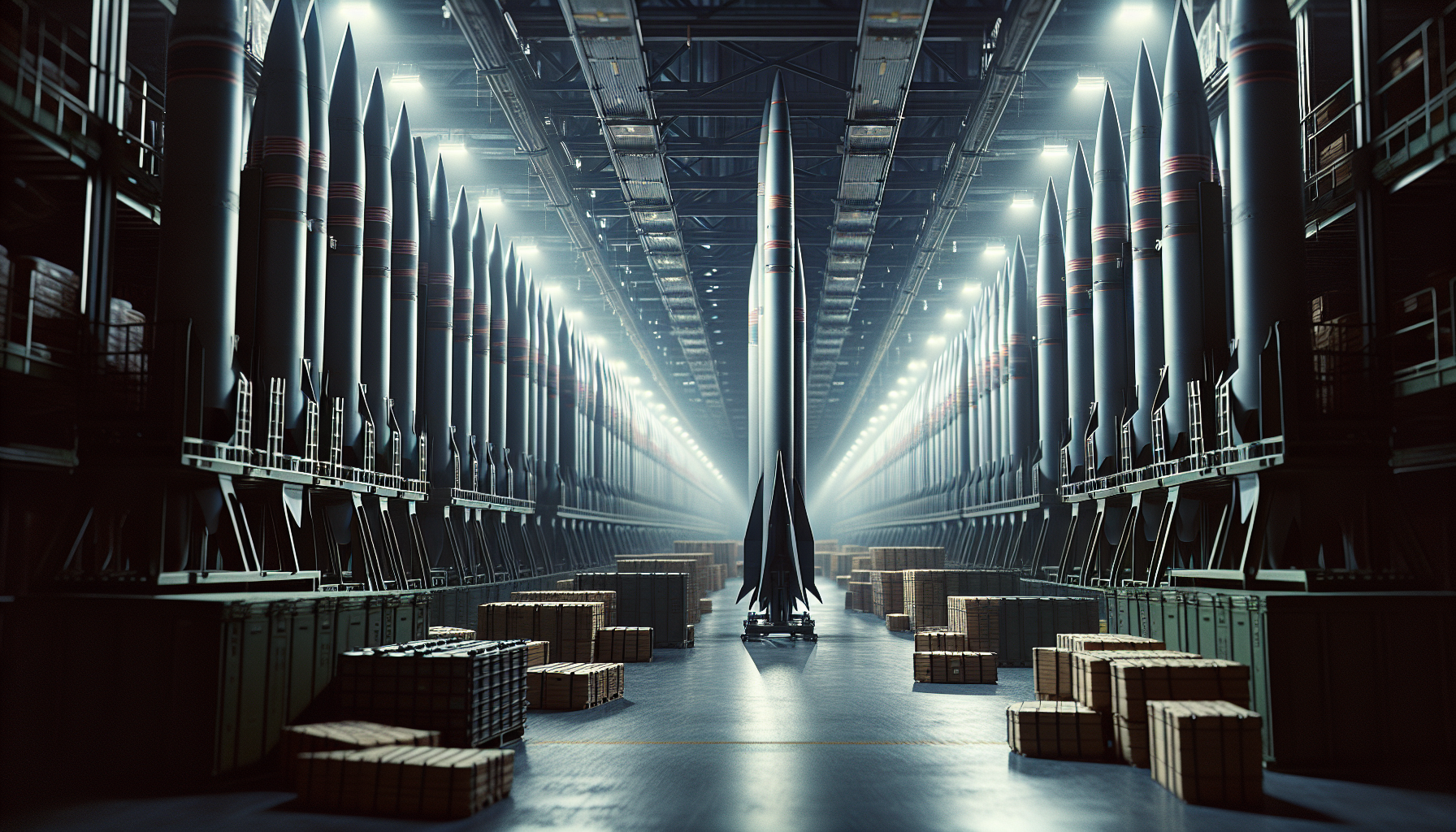
During the conflict, the US expended over 1,100 stealth cruise missiles—considered the pinnacle of American precision armaments—in less than a month. This usage nearly exhausted the entire stockpile originally reserved for a potential large-scale war with China in the Indo-Pacific region. The eagerness to dominate Tehran has come at the cost of America’s ability to compete strategically with China.
Specifically, more than 1,000 Tomahawk missiles were launched, while annual production barely reaches one-tenth of that number. Additionally, the deployment of approximately 1,200 Patriot interceptors, each costing around $4 million and totaling $4.8 billion, has strained defensive capabilities elsewhere.
This situation exemplifies what can be termed the “Boutique Shop Paradox”: the US military-industrial complex produces highly advanced weapons but lacks the capacity to manufacture them in sufficient quantities.
To maintain pressure on Iran’s infrastructure, the US has had to shuffle resources between theaters in Europe and the Indo-Pacific, a maneuver that signals to other global powers that America’s ammunition reserves are dangerously depleted. Financially, the campaign costs about $1 billion daily, totaling $38 billion so far, with the true burden lying in the years required to replenish these sophisticated weapons.
From Tehran’s perspective, the conflict validated the concept of asymmetric attrition. Although Iran incurred significant damage to its conventional forces, it effectively drained the US strategic reserves, marking a symbolic victory for the Islamic Republic. Acting as a “strategic sponge,” Iran absorbed the deterrent meant for the Pacific, exposing vulnerabilities in the US military-industrial capacity.
Meanwhile, as Islamabad hosts ongoing negotiations for a comprehensive deal, Washington confronts a stark reality: deterrence depends not only on readiness but also on the ability to sustain conflict. The US’s reliance on advanced but limited weapon systems for regional dominance suggests it may be entering a new era of constrained power.
Looking ahead to 2026, the lesson is clear—tactical victories mean little without strategic sustainability. No nation can claim superpower status without robust armaments, and for US allies such as Taiwan and Japan, the outlook is increasingly uncertain. Washington’s options appear limited to either achieving a technological breakthrough or accepting a diminished role in global missile dominance.
