

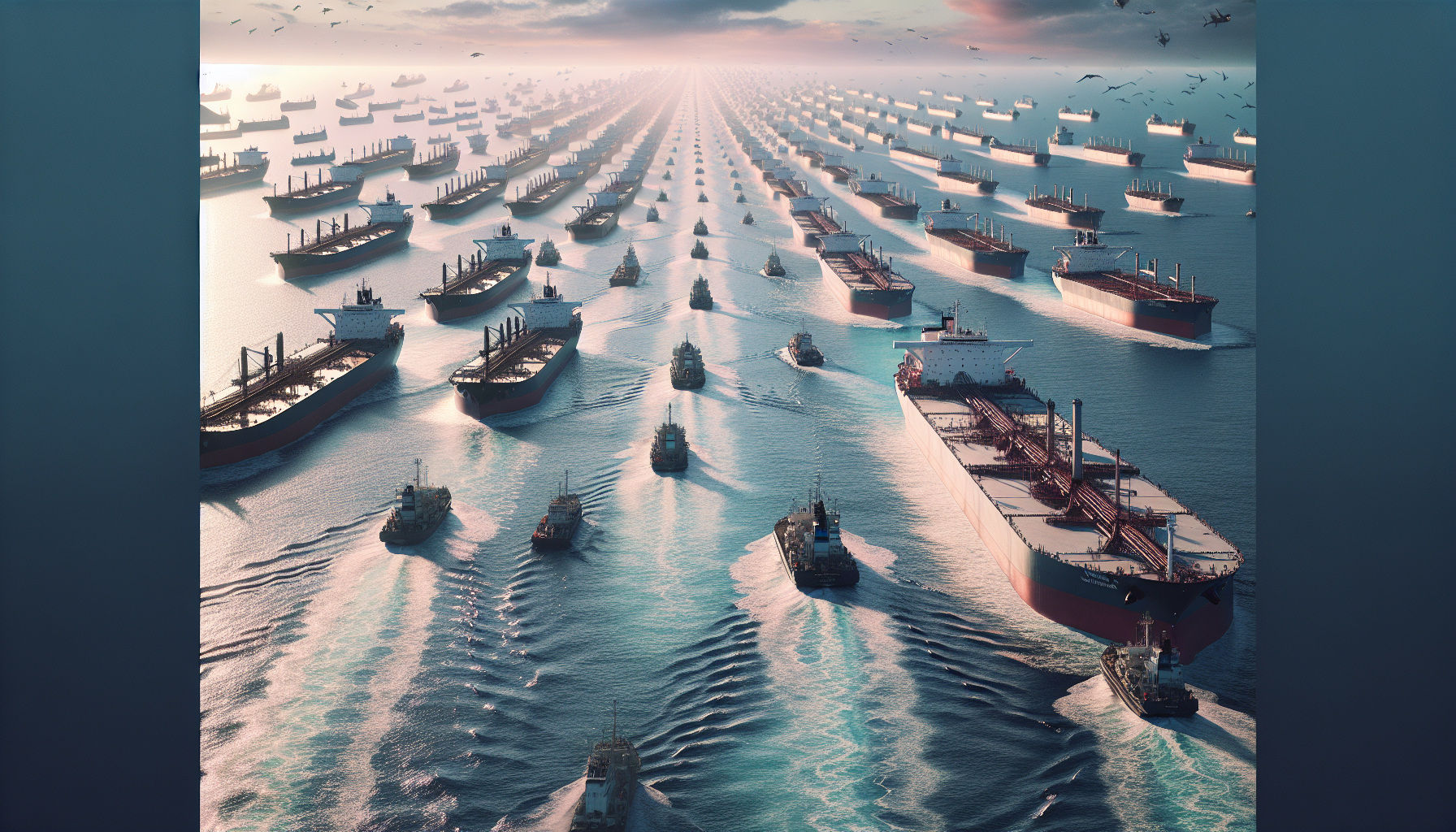
The Strait of Hormuz has once again become a focal point of international concern as tensions escalate in this strategically vital waterway. During the 1980s, the Iran-Iraq Tanker War severely disrupted maritime traffic, impacting global oil shipments and raising fears of wider conflict. This historical conflict involved direct attacks on oil tankers, which significantly affected global energy markets and international shipping routes.
Meanwhile, the present crisis in the Strait of Hormuz shares some similarities with the past but unfolds under different geopolitical dynamics. Unlike the 1980s, today’s situation involves a more complex web of regional and global powers, advanced military technologies, and heightened economic interdependence. These factors contribute to a more volatile environment where any disruption could have immediate and far-reaching consequences for global energy security and international trade.
In a significant development, the current tensions highlight the enduring strategic importance of the Strait of Hormuz, through which a substantial portion of the world’s oil supply passes. The potential for conflict in this narrow maritime corridor underscores the fragility of global energy markets and the critical need for diplomatic efforts to prevent escalation. Understanding the differences between the past Tanker War and today’s crisis is essential for policymakers and stakeholders aiming to maintain stability in this crucial region.
