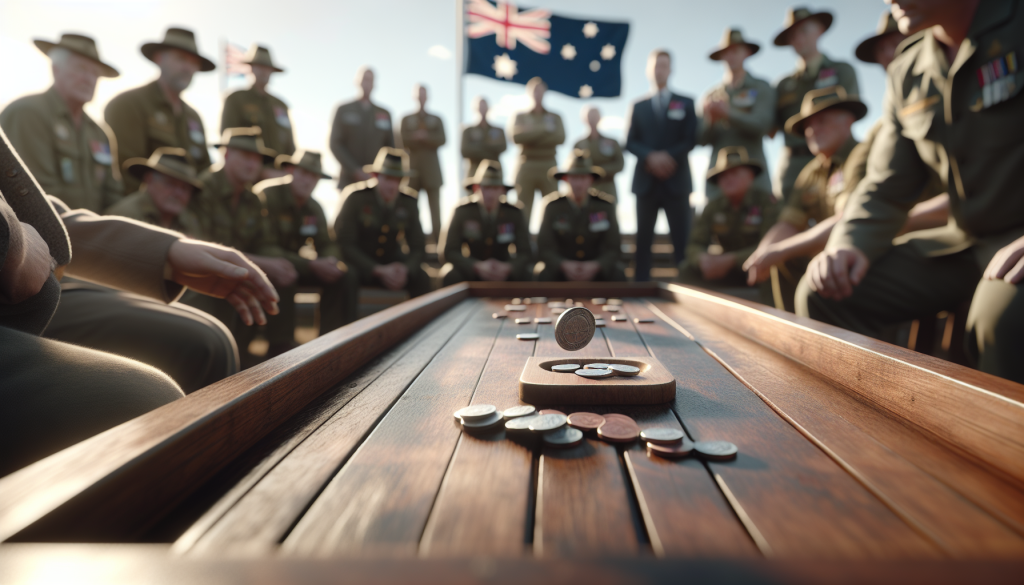
Two-up is a traditional Australian gambling game involving the tossing of two coins, historically popular among soldiers during World War One. The game holds a special place in Australian culture, symbolizing camaraderie and the ANZAC spirit. Despite its widespread popularity, two-up is generally illegal throughout Australia except on one specific day annually. This exception is made to honor the memory of the soldiers who played the game during the war.
In a significant development, two-up is legally permitted only on April 25, which coincides with ANZAC Day, a national day of remembrance in Australia. ANZAC Day commemorates the Australian and New Zealand Army Corps who fought and died in wars, conflicts, and peacekeeping operations. Allowing two-up to be played legally on this day serves as a tribute to the soldiers’ traditions and sacrifices. This unique legal status underscores the cultural and historical importance of the game in Australian society.
Meanwhile, the restriction of two-up to a single day each year highlights the government’s efforts to balance cultural heritage with gambling regulations. The game’s legal allowance on ANZAC Day encourages community gatherings and remembrance activities, reinforcing national identity. It also reflects how historical practices can influence contemporary laws, preserving traditions while maintaining regulatory control. The annual celebration of two-up continues to foster a connection between Australians and their wartime history.