

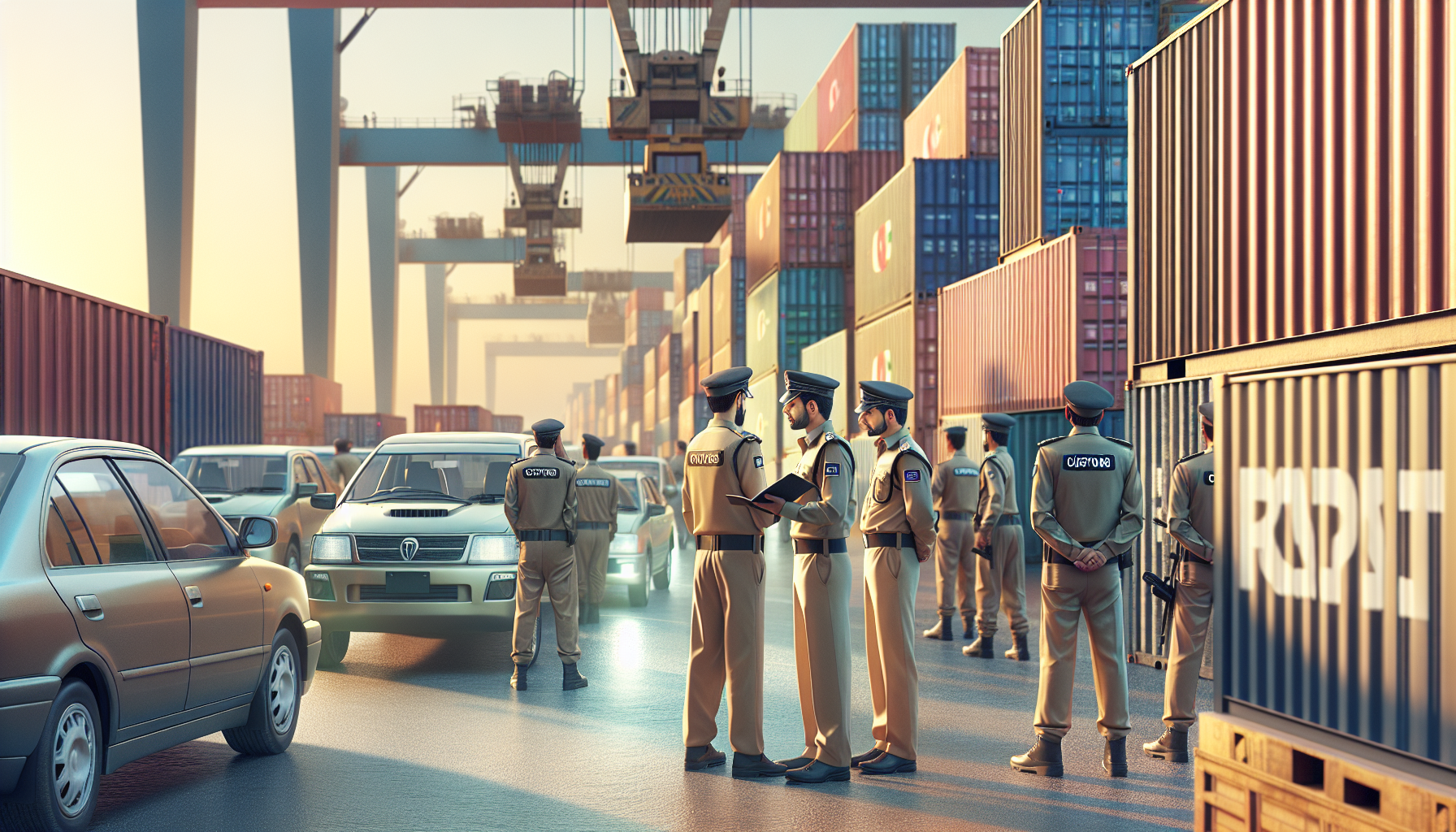
The International Monetary Fund (IMF) has emphasized the need for Pakistan to implement more stringent regulations on the importation of vehicles. This move aims to address the country’s growing trade imbalance and ease pressure on foreign exchange reserves. Vehicle imports have been a significant contributor to the widening current account deficit, prompting calls for tighter oversight.
In a significant development, the IMF’s recommendations align with Pakistan’s broader economic reform agenda, which seeks to stabilize the national currency and improve fiscal discipline. By curbing excessive vehicle imports, the government hopes to reduce unnecessary foreign currency outflows and encourage the growth of the domestic automotive industry. This step is expected to support long-term economic sustainability.
Meanwhile, stricter import policies could impact consumers and businesses reliant on foreign vehicles, potentially leading to higher prices and limited availability. However, policymakers argue that these measures are crucial for restoring macroeconomic stability and attracting further international financial support. The IMF’s push reflects ongoing efforts to balance economic growth with fiscal responsibility in Pakistan.
