

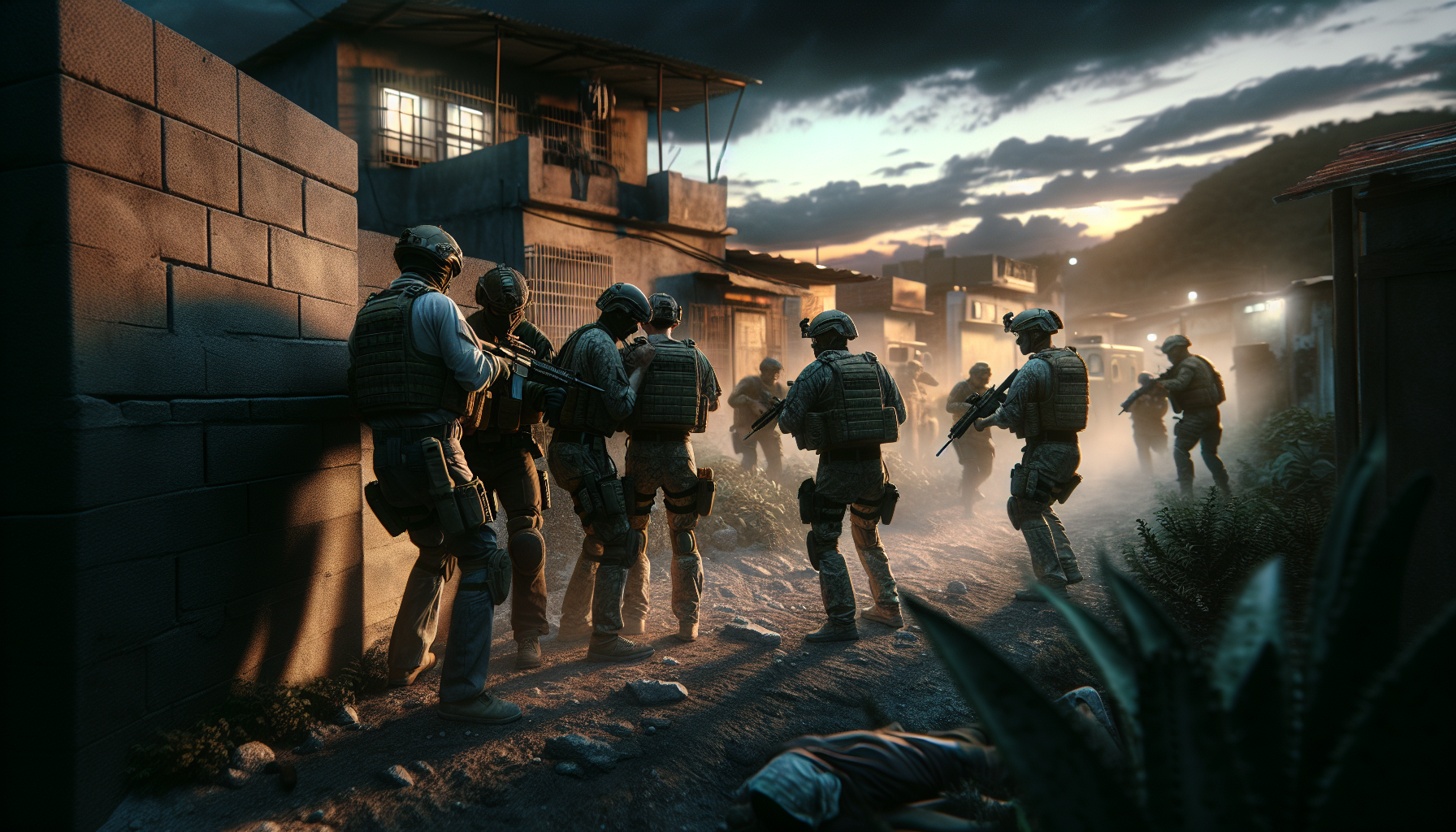
In a significant development in Mexico’s ongoing battle against drug cartels, President Claudia Sheinbaum has authorized military operations aimed at capturing the leaders of powerful criminal organizations. This approach, often referred to as the ‘kingpin strategy,’ focuses on dismantling cartels by targeting their top figures. The decision comes amid increasing pressure from the United States, which has long urged Mexico to take stronger action against drug trafficking networks that impact both countries.
Historically, Mexico’s efforts to combat cartels have involved a combination of law enforcement and military interventions, but the kingpin strategy has been controversial due to its mixed results. While removing cartel leaders can disrupt operations temporarily, it often leads to violent power struggles and fragmentation within criminal groups. President Sheinbaum’s move signals a renewed commitment to this tactic despite these risks, highlighting the urgency of addressing drug-related violence and trafficking.
Meanwhile, the impact of these military operations is closely watched by both domestic and international observers. Success in arresting cartel heads could weaken organized crime and improve security, but there are concerns about potential collateral damage and the sustainability of such measures. The strategy underscores the complex challenges Mexico faces in balancing aggressive law enforcement with the need for long-term stability and public safety.
