



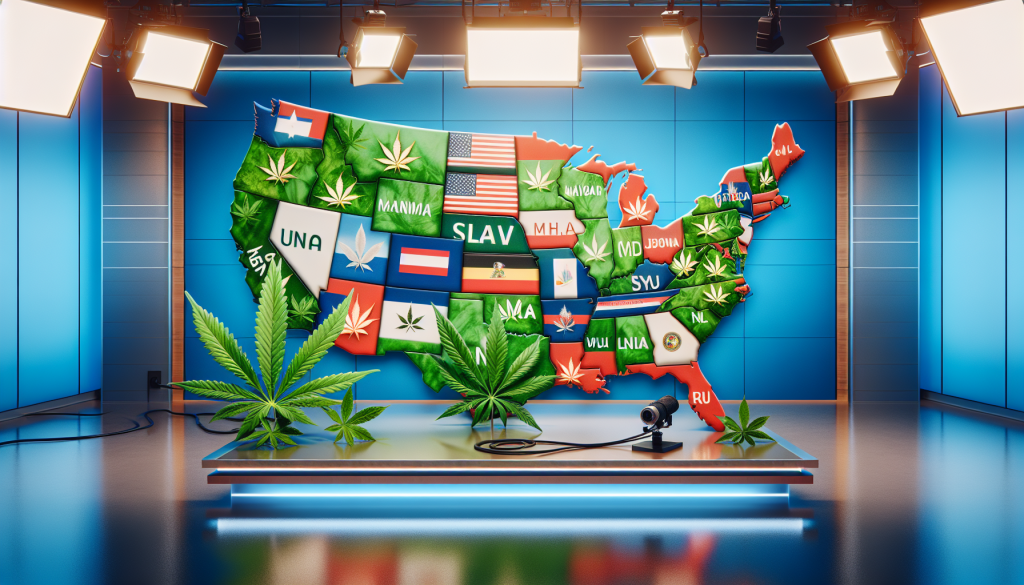
In recent years, a growing number of U.S. states have moved to legalize marijuana for recreational use, marking a significant shift in drug policy across the country. This trend reflects changing public opinion and a broader acceptance of cannabis, which was once widely prohibited under federal and state laws. States that have legalized marijuana are now navigating the complexities of regulation, taxation, and public safety related to its use and distribution.
Meanwhile, the legalization movement has had notable economic implications, including the creation of new jobs, increased tax revenues, and the emergence of a regulated cannabis industry. These developments have also prompted discussions about social justice, particularly regarding the expungement of past marijuana-related convictions and addressing disparities in enforcement. Furthermore, states are investing in public health campaigns to educate citizens on responsible consumption and potential risks.
In a significant development, the legalization of marijuana in multiple states has influenced national debates on drug policy reform and federal legalization prospects. The patchwork of state laws presents challenges for law enforcement and businesses operating across state lines. As more states consider legalization, the evolving landscape continues to impact legal frameworks, economic opportunities, and societal attitudes toward cannabis in the United States.

Leave an opinion