

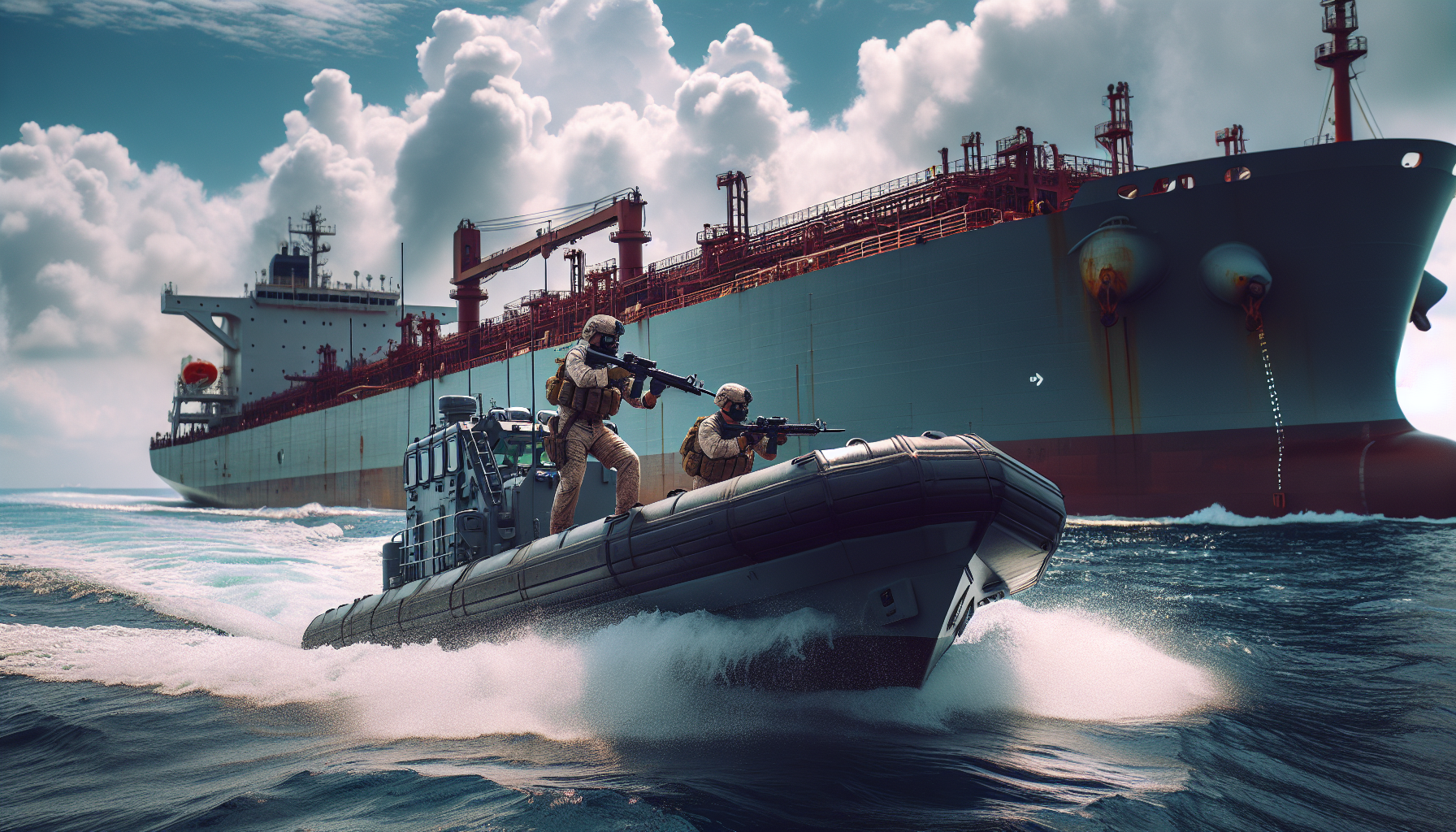
In a significant development, the United States Navy intercepted three Iranian oil tankers operating in Asian maritime zones. This action highlights ongoing efforts by the US to enforce sanctions and restrict Iran’s oil exports amid heightened geopolitical tensions. The interception occurred in strategic waters, underscoring the importance of maritime security in the region. Such operations are part of broader US initiatives to curb Iran’s economic activities linked to its oil trade.
Iran has faced numerous sanctions targeting its energy sector, aiming to limit its influence and financial resources. The interception of these tankers reflects the persistent challenges in enforcing these sanctions, especially in international waters where jurisdictional complexities arise. Meanwhile, Iran continues to assert its right to conduct oil trade, often navigating through contested maritime routes. These incidents contribute to the fragile security environment in Asian waters, where multiple nations have vested interests.
The impact of these interceptions extends beyond immediate diplomatic strains, affecting global oil markets and regional alliances. Countries in Asia rely heavily on energy imports, and disruptions or enforcement actions can influence supply chains and pricing. Furthermore, such confrontations risk escalating military tensions, prompting calls for diplomatic engagement to prevent conflict. The US’s assertive maritime operations signal its commitment to sanction enforcement, while also raising questions about long-term stability in the region’s shipping lanes.
