

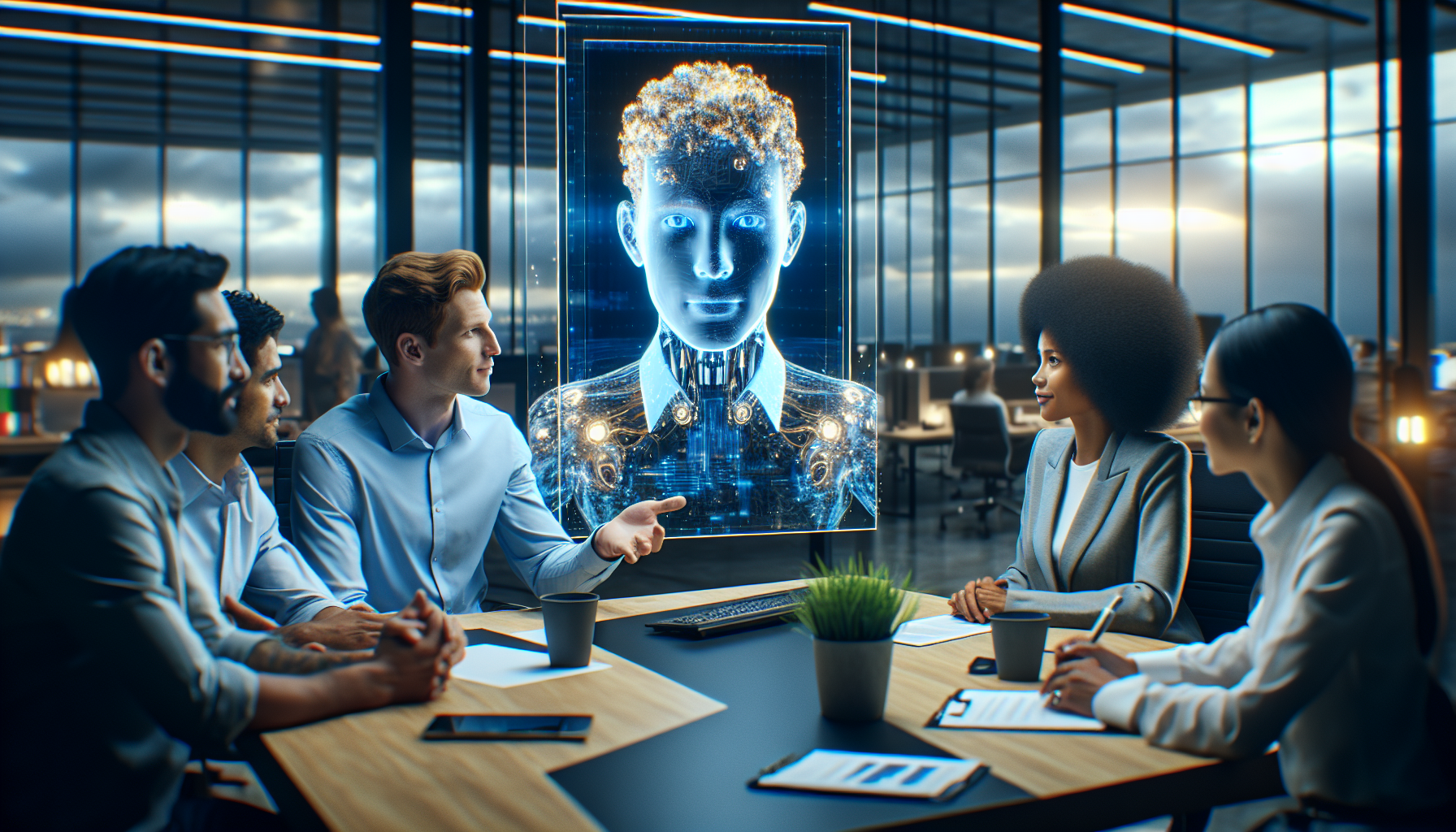
In a notable technological advancement, Mark Zuckerberg has developed an artificial intelligence clone of himself designed to interact with employees at Meta. This AI representation aims to facilitate communication and streamline internal engagement within the company. By leveraging AI technology, Meta is exploring new ways to enhance workplace efficiency and employee experience. The initiative reflects the growing trend of integrating AI tools in corporate environments to support management and operational tasks.
Meta, formerly known as Facebook, has been at the forefront of AI research and development, investing heavily in innovations that transform social media and virtual interactions. Zuckerberg’s AI clone represents a personalized application of these technologies, potentially setting a precedent for other tech leaders to adopt similar approaches. This development also highlights the increasing role of AI in leadership and decision-making processes within large organizations. Meanwhile, it raises questions about the future dynamics of human-AI collaboration in professional settings.
In a broader context, the creation of an AI version of a high-profile CEO underscores the rapid evolution of artificial intelligence capabilities. It demonstrates how AI can be tailored to replicate individual personalities and communication styles, which may revolutionize how companies manage internal communications and leadership presence. As AI continues to advance, such innovations could lead to more interactive and responsive workplace environments, ultimately impacting employee productivity and corporate culture. Meta’s experiment with this AI clone could influence the adoption of similar technologies across various industries.
