

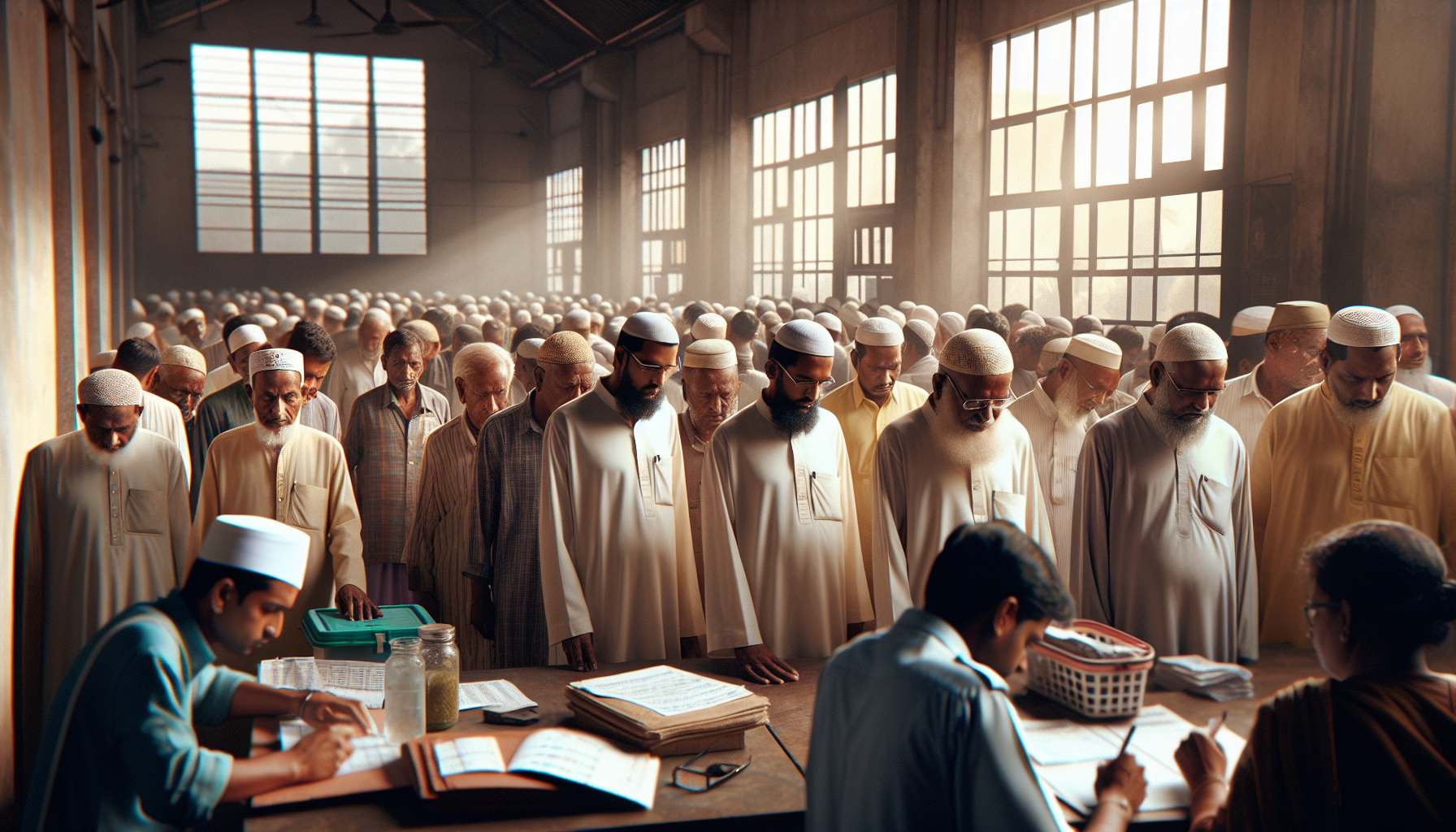
As the eastern Indian state of West Bengal prepares for its crucial elections, a contentious revision of the voter list has sparked widespread outrage. The updated electoral rolls reportedly exclude millions of voters, with many critics arguing that the changes disproportionately affect the Muslim population. This development has intensified political tensions in a region known for its diverse demographic and vibrant democratic engagement.
The controversy stems from the state’s efforts to revise and update its electoral register ahead of the polls scheduled later this year. Authorities claim the revision aims to remove duplicate and ineligible names to ensure a cleaner voting process. However, opposition parties and civil rights groups contend that the process has been manipulated to marginalize Muslim voters, potentially altering the electoral landscape significantly.
In a significant development, this voter list revision could impact the political balance in West Bengal, where Muslims constitute a substantial portion of the electorate. The exclusion of millions from the voter rolls raises concerns about the fairness and inclusivity of the upcoming elections. Meanwhile, the issue has drawn national and international attention, highlighting ongoing debates over citizenship, identity, and electoral rights in India.
