

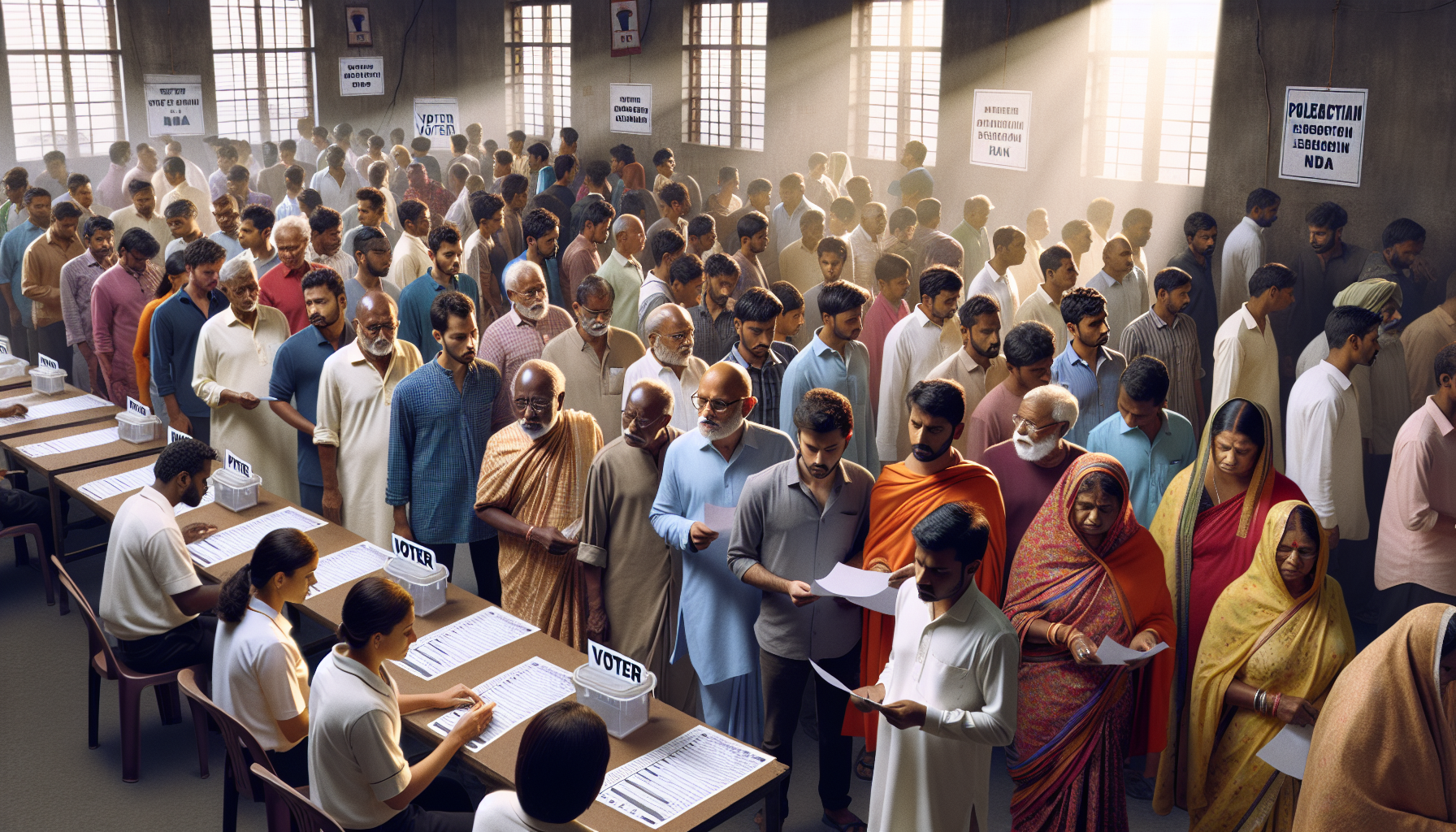
In a significant development in West Bengal, approximately nine million voters have been removed from the electoral rolls. This large-scale exclusion has raised serious concerns about the integrity and fairness of the voting process in the state. West Bengal, a politically sensitive region bordering Bangladesh, has a history of intense electoral competition, making the accuracy of voter lists crucial for democratic legitimacy.
The removal of such a vast number of voters has sparked widespread debate among political parties and civil society groups. Critics argue that this move could disenfranchise many legitimate voters, potentially influencing upcoming elections and altering the political landscape. Meanwhile, authorities maintain that the revision of voter lists is part of routine efforts to eliminate duplicate and ineligible entries, aiming to ensure a cleaner electoral process.
This controversy comes at a time when West Bengal remains a focal point of national political attention, with the state often seen as a battleground for major political parties. The exclusion of millions from the voter rolls could have far-reaching implications for voter turnout and election outcomes. Observers warn that the situation may escalate tensions and impact the democratic process in one of India’s most populous states.
