

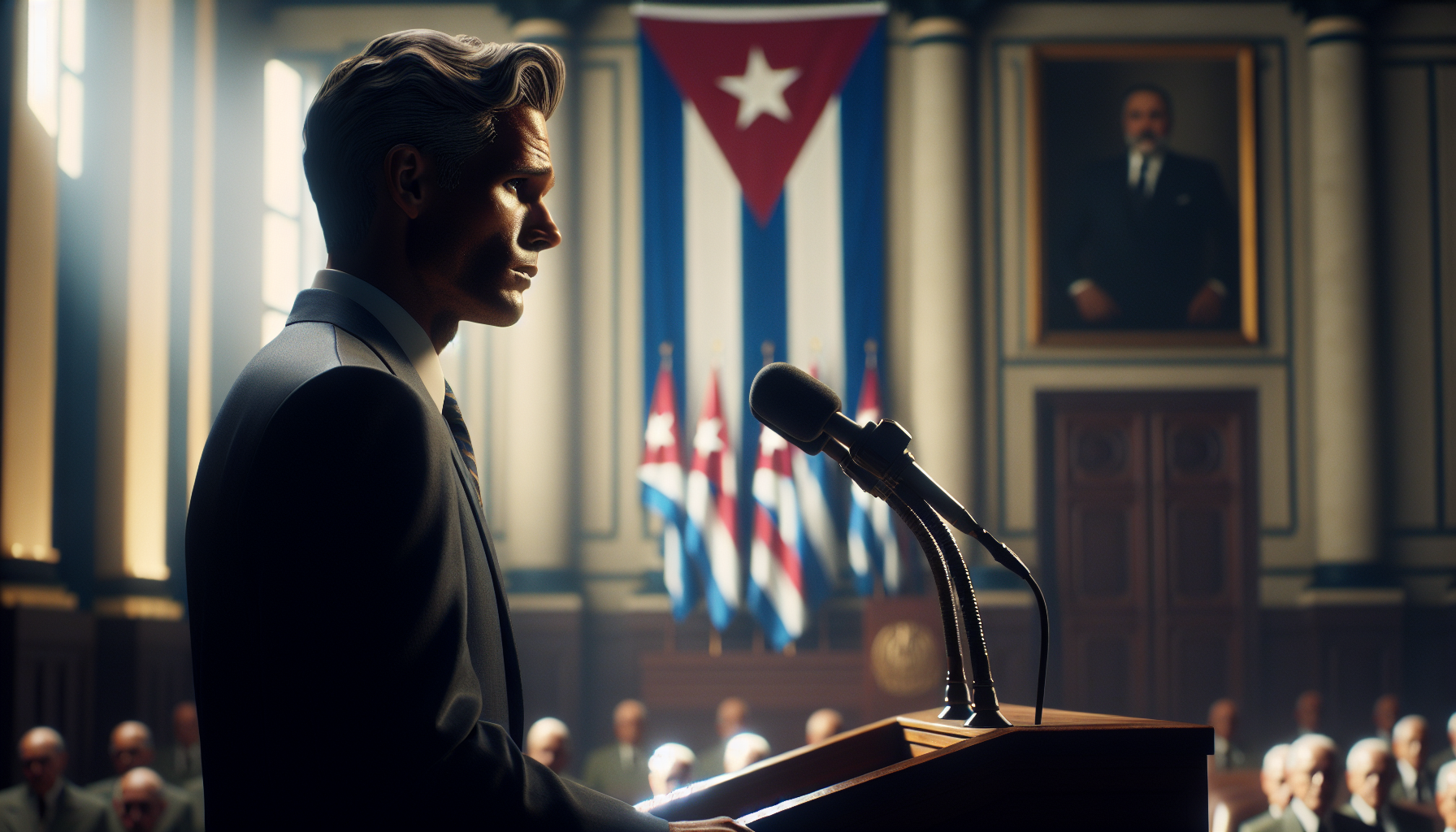
Cuban President Miguel Diaz-Canel has firmly declared his determination to resist mounting pressure from the United States, despite increasing economic and political challenges. This stance comes as former US President Donald Trump has escalated his administration’s efforts to isolate Cuba by tightening restrictions on oil imports, a critical resource for the island nation. The intensified blockade aims to deepen Cuba’s economic difficulties, impacting energy supplies and overall stability.
Historically, US-Cuba relations have been fraught with tension, dating back to the Cold War era and the longstanding embargo initiated in the 1960s. The Trump administration reversed some of the diplomatic openings made during the Obama years, reinstating harsher sanctions and limiting remittances and travel. Diaz-Canel’s defiance signals Havana’s refusal to yield to these pressures, emphasizing sovereignty and resistance against what it views as economic warfare.
In a significant development, the tightening of the oil blockade threatens to exacerbate Cuba’s ongoing economic crisis, which has been worsened by the COVID-19 pandemic and internal inefficiencies. The Cuban government’s ability to maintain social programs and public services hinges on securing adequate energy supplies. Diaz-Canel’s vow to stand firm highlights the broader geopolitical struggle between the US and Cuba, with potential repercussions for regional stability and international diplomatic relations.
