

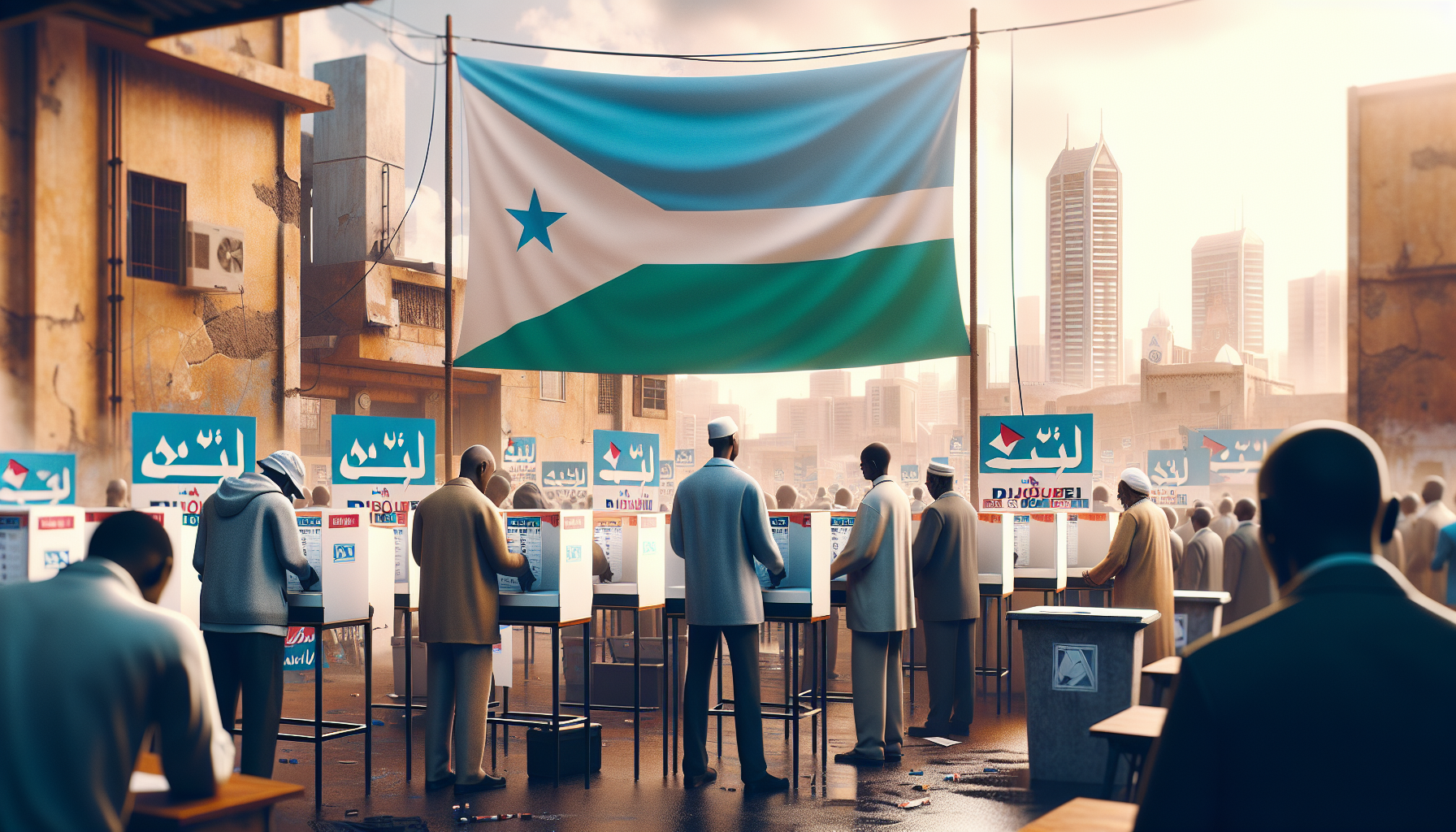
Djibouti is conducting a presidential election in which long-serving leader Ismail Omar Guelleh is vying for a sixth consecutive term. This development follows the removal of the presidential age limit last year, a move that cleared the way for Guelleh to extend his rule. Guelleh has been in power since 1999, making him one of Africa’s longest-serving leaders. His continued leadership has been marked by efforts to maintain stability in a strategically important Horn of Africa nation.
In a significant political shift, the abolition of the age restriction was widely seen as a strategy to consolidate Guelleh’s grip on power. Critics argue that this change undermines democratic principles by limiting political competition. Meanwhile, supporters claim that Guelleh’s experience is vital for the country’s development and regional security. The election is closely watched by international observers concerned about governance and human rights in Djibouti.
The outcome of this election will have important implications for Djibouti’s future political landscape and its role in regional geopolitics. Guelleh’s continued presidency could ensure policy continuity, especially regarding Djibouti’s strategic port and military bases used by global powers. However, the election also raises questions about political pluralism and the prospects for democratic reforms. The results will likely influence both domestic stability and international relations in the Horn of Africa.
