

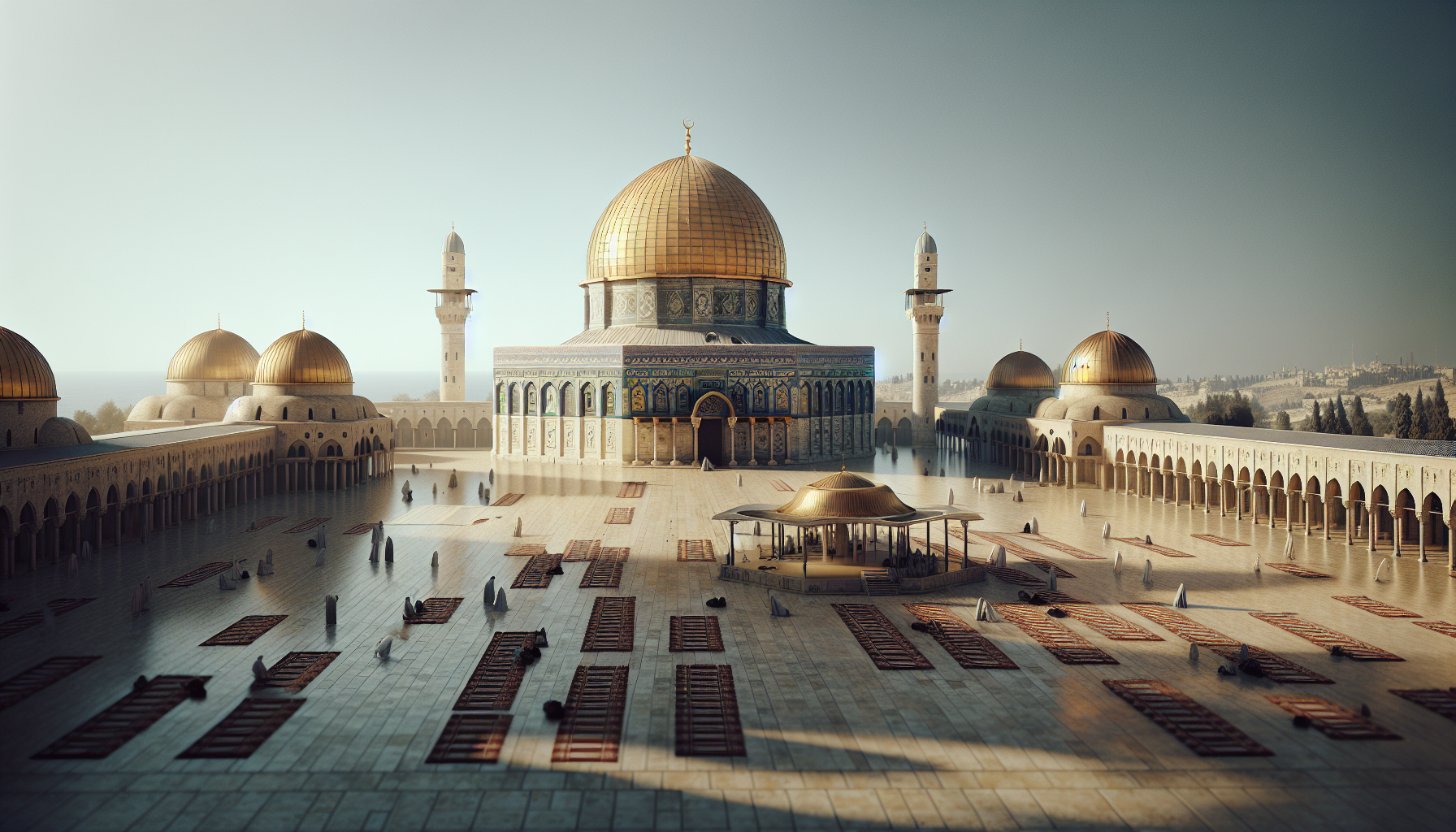
The Al-Aqsa Mosque, a site of profound religious significance for Muslims worldwide, has remained closed to Muslim worshippers for more than a month. This prolonged restriction has intensified concerns among Palestinians and international observers, who view the closure as a targeted measure rather than a neutral security decision. The mosque, located in East Jerusalem, is a frequent flashpoint in the Israeli-Palestinian conflict, symbolizing broader struggles over sovereignty and religious rights.
In a significant development, critics have labeled the closure as selective and discriminatory, arguing that it undermines the rights of Muslim worshippers while allowing access to others. The restrictions have disrupted daily prayers and religious practices, fueling tensions in an already volatile region. Historically, access to Al-Aqsa has been a sensitive issue, with closures often provoking widespread protests and international condemnation.
Meanwhile, the closure’s impact extends beyond religious observance, affecting the social and political dynamics in Jerusalem and the wider Middle East. It has drawn attention from global actors advocating for peaceful resolution and respect for religious freedoms. The ongoing closure underscores the complexities of managing sacred sites amid geopolitical conflicts and highlights the urgent need for dialogue to prevent further escalation.
