

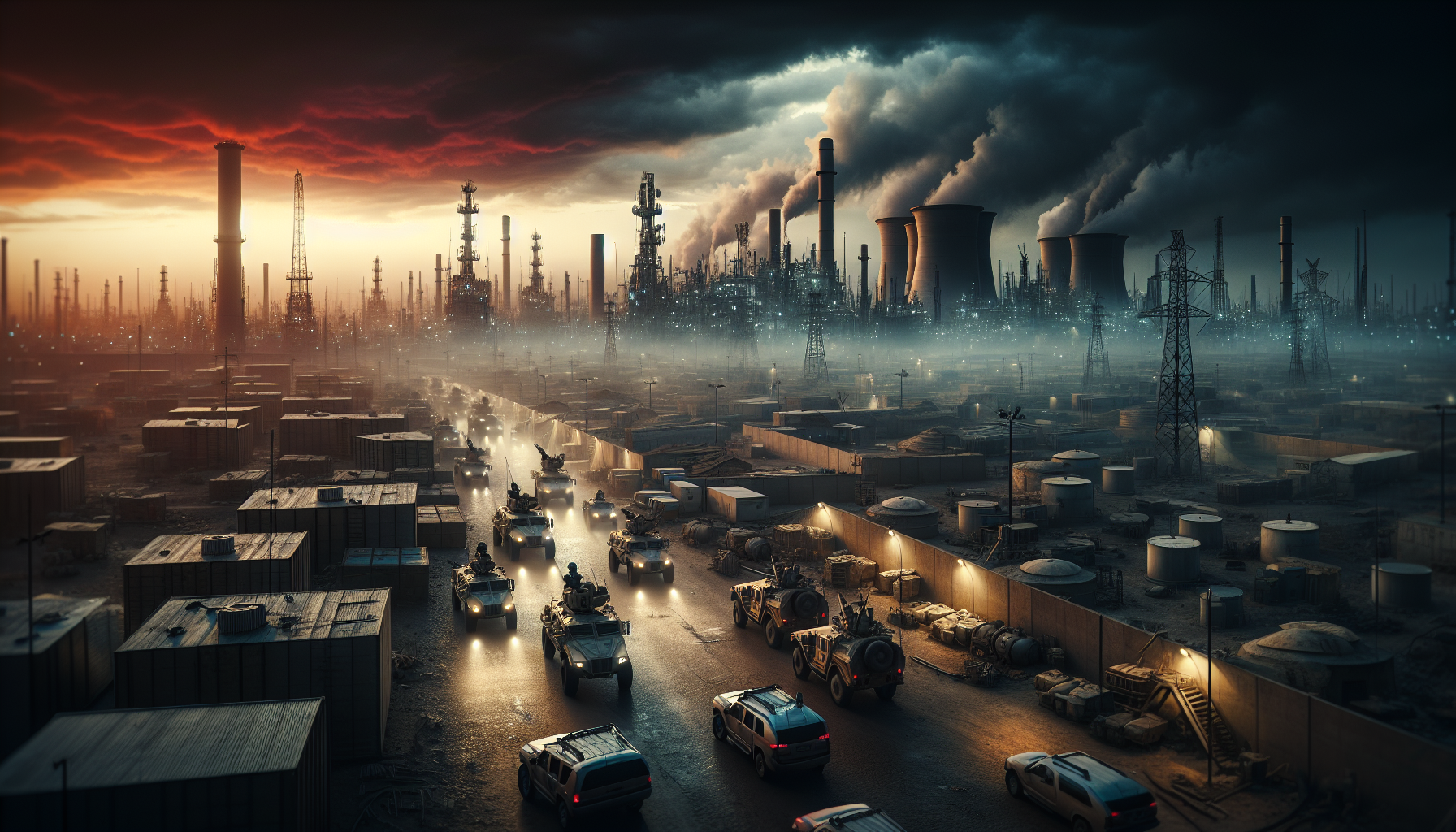
In a significant development, former U.S. President Donald Trump has threatened to destroy critical infrastructure in Iran, raising concerns about escalating tensions in the volatile Middle East region. Analysts warn that such aggressive actions could provoke Iran to launch further retaliatory attacks, potentially triggering a cycle of violence with no clear resolution in sight. This threat comes amid already strained relations between the two countries, marked by years of sanctions, proxy conflicts, and diplomatic stand-offs.
Meanwhile, experts emphasize that any military escalation could destabilize not only Iran but also neighboring countries, impacting global energy markets and international security. The region has historically been a hotspot for conflict, with previous confrontations involving the U.S. and Iran leading to widespread uncertainty and humanitarian consequences. The potential destruction of Iran’s infrastructure could cripple essential services, exacerbating the humanitarian situation and fueling anti-American sentiment.
Notably, the international community remains apprehensive about the repercussions of such threats, urging diplomatic solutions to avoid further deterioration of peace. The ongoing tensions underscore the fragile balance in Middle Eastern geopolitics, where unilateral actions risk igniting broader conflicts. As the situation unfolds, the global focus remains on preventing an escalation that could have far-reaching consequences for regional stability and international relations.
