

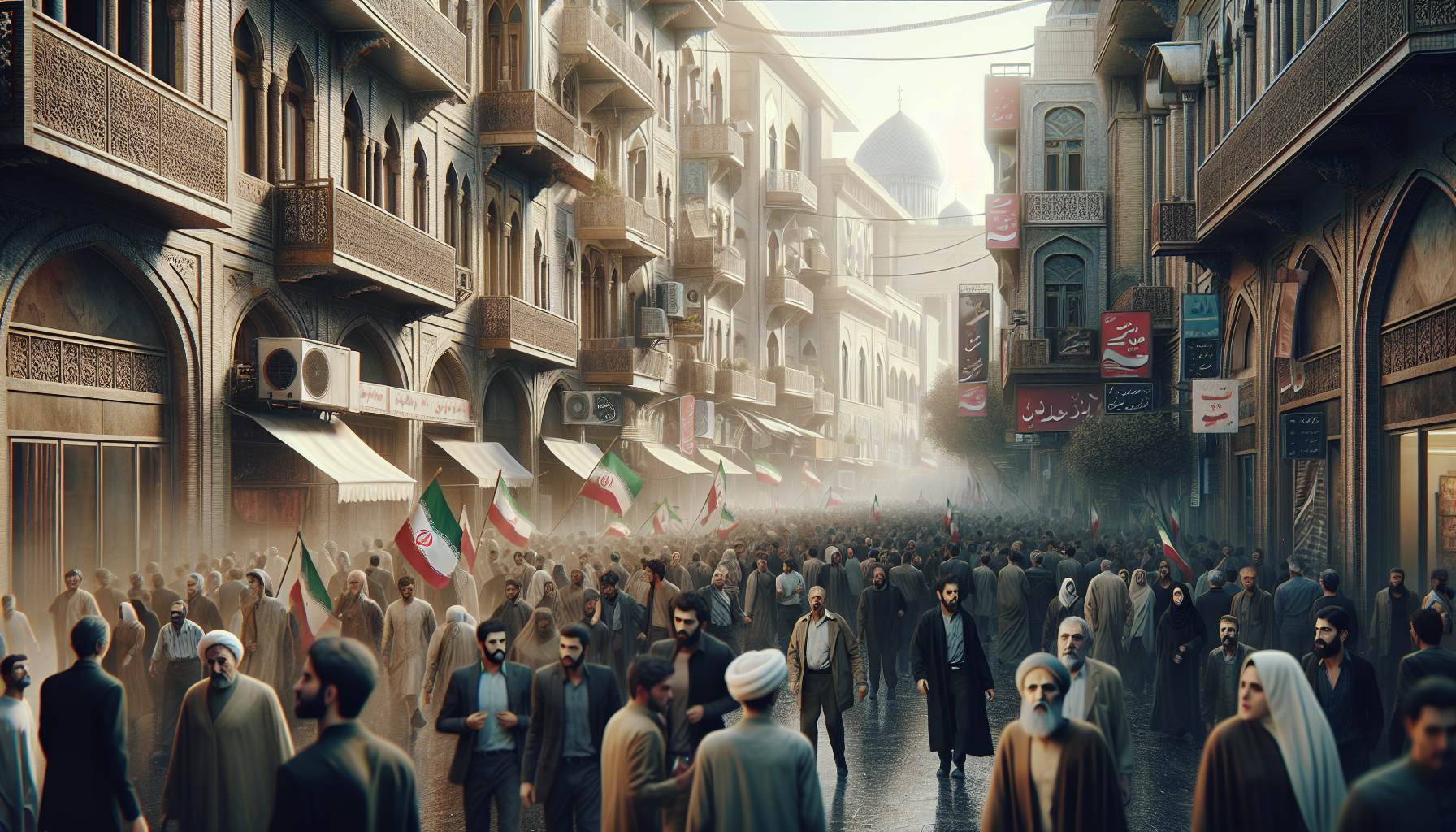
In a significant development, many Iranians have voiced strong doubts about the United States’ capacity to foster stability in the region. This sentiment reflects longstanding tensions and a history of conflict between the two nations, which have shaped public opinion over decades. The skepticism is rooted in past interventions and ongoing political disputes that continue to influence Iran’s domestic and foreign policies.
Meanwhile, the broader Middle East remains a volatile landscape, with various powers vying for influence and control. Iran’s rejection of US involvement underscores the challenges faced by international actors attempting to mediate peace or stability in the area. This stance also highlights the complexities of diplomatic relations, where mistrust hampers cooperation on critical issues such as security and economic development.
Notably, this widespread rejection has implications for future negotiations and regional diplomacy. It signals that any efforts by the US to play a constructive role will require addressing deep-seated grievances and building trust over time. The Iranian public’s perspective serves as a reminder of the intricate geopolitical realities that shape the prospects for peace and stability in the Middle East.
