

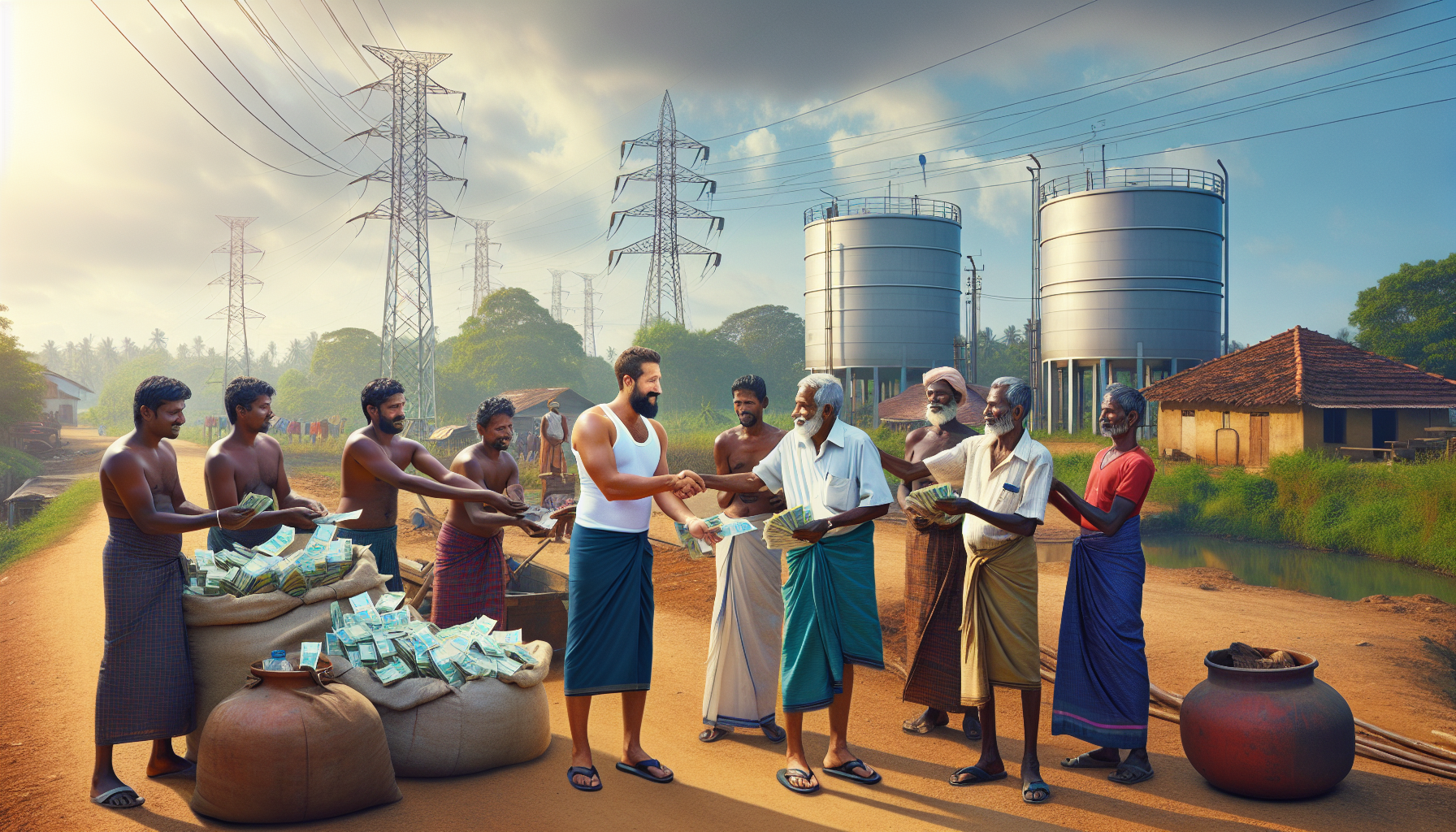
Sri Lanka has introduced a historic $320 million relief package aimed at assisting farmers, fishermen, and low-income families severely impacted by rising energy expenses resulting from the ongoing Middle East conflict. President Anura Kumara Dissanayake described this as the largest government aid initiative in the country’s history, targeting the most vulnerable segments of the 22 million population.
The relief will include direct cash transfers to thousands of fishermen and agricultural workers involved in rice and tea production. Additionally, approximately 25 percent of the population living below the poverty line will receive an extra $25 this month in celebration of the Sinhala and Tamil New Year festivals, alongside subsidies on their electricity bills.
Dissanayake detailed that the total package amounts to 100 billion Sri Lankan rupees, equivalent to $320 million, to be disbursed over three months. The funding will come from the existing national budget, with the government determined to avoid the severe inflation spike of 70 percent experienced in 2022, which was partly caused by printing money to finance subsidies.
Currently, Sri Lanka remains under an International Monetary Fund (IMF) bailout program initiated in early 2023, involving a $2.9 billion loan spread over four years. The president expressed optimism about securing the next IMF tranche of around $700 million by the end of the following month, following a recent staff-level agreement with the Washington-based lender.
Under the new scheme, fishermen operating smaller vessels will receive fuel subsidies of up to $300 per month, while those with larger boats will be granted approximately $483 monthly for three months. For farmers, the government will cover about 30 percent of urea fertilizer costs. Furthermore, the state will subsidize part of the electricity generation expenses, allocating up to 15 billion rupees ($48 million) for this purpose.
In a significant development, the government is negotiating with Russia to resume imports of gas, coal, fuel, and fertilizer, commodities previously affected by U.S. sanctions. Dissanayake noted a critical window until April 11 to secure these supplies, following a temporary lifting of sanctions by former President Trump.
Since the escalation of U.S.-Israeli attacks against Iran on February 28, Sri Lanka has raised fuel prices by about one-third and increased electricity tariffs by up to 40 percent. Meanwhile, a four-day workweek introduced last month will be discontinued, as the midweek day off failed to generate the anticipated energy savings.
As a South Asian nation reliant entirely on imported coal, gas, and petroleum, Sri Lanka remains heavily dependent on Middle Eastern oil, making these subsidies crucial to stabilizing the economy and supporting its most vulnerable citizens.
