

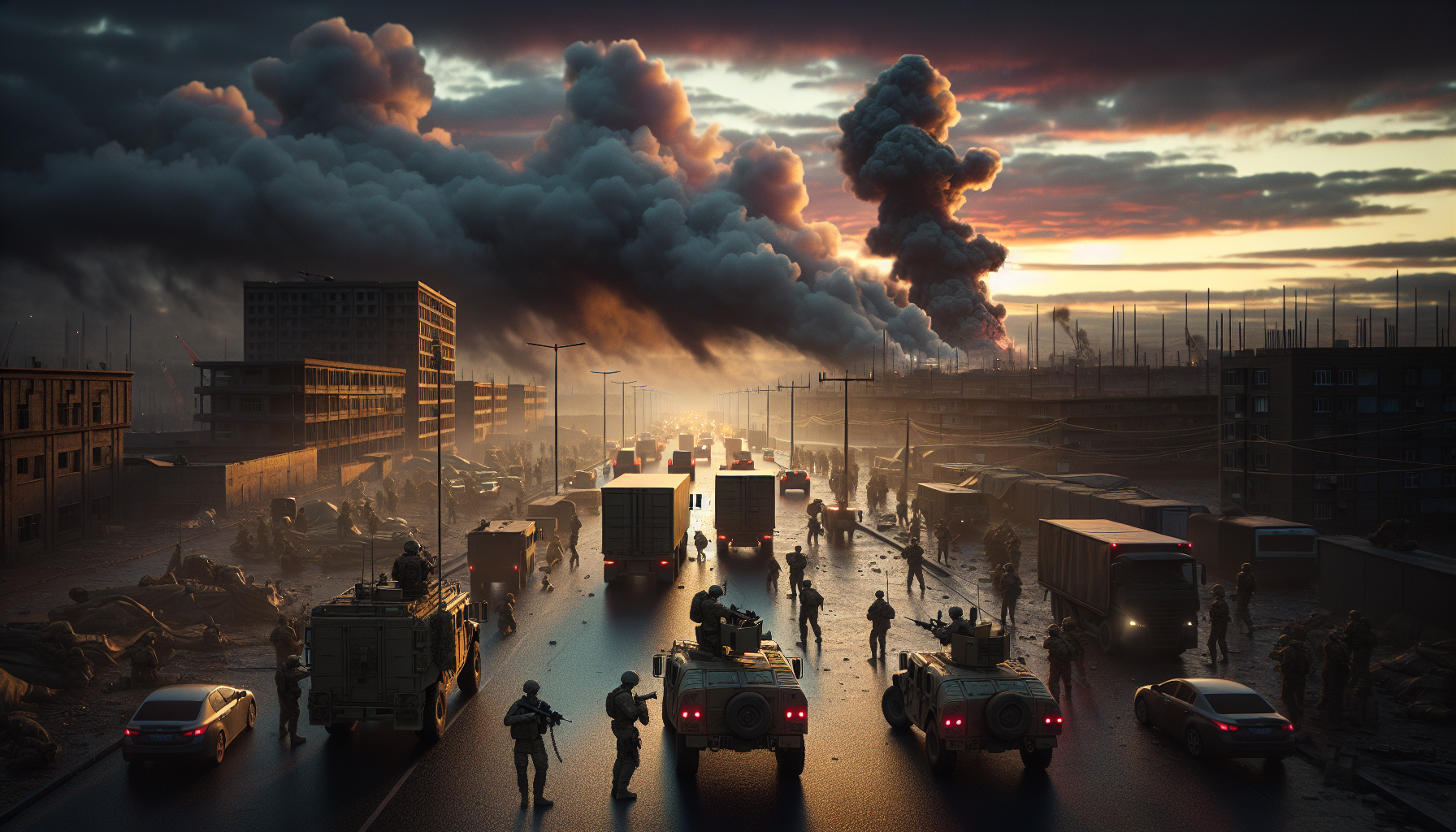
The conflict involving US and Israeli forces targeting Iran has entered its 39th day, marked by escalating military engagements and heightened diplomatic tensions. President Trump has imposed a stringent deadline demanding Iranian compliance, aiming to curb Tehran’s regional influence and nuclear ambitions. Despite these pressures, Iranian officials have dismissed the US threats as unrealistic and baseless, signaling a firm stance against external coercion. This ongoing confrontation underscores the fragile security situation in the Middle East, with potential repercussions for global energy markets and international alliances.
Meanwhile, the US and Israel continue coordinated operations intended to weaken Iran’s strategic capabilities, focusing on key military and infrastructure targets. The prolonged nature of these strikes reflects the complexity of the conflict, which intertwines geopolitical rivalries and ideological divides. Iran’s defiance not only challenges US foreign policy but also emboldens its regional proxies, potentially intensifying proxy conflicts across neighboring countries. The international community remains watchful, as the risk of broader escalation poses significant threats to regional stability.
In a significant development, the standoff highlights the limits of diplomatic negotiations amid rising hostilities. The US administration’s hardline approach contrasts with Iran’s resolute rejection of ultimatums, complicating prospects for peaceful resolution. Analysts warn that continued military pressure without dialogue may deepen animosities and prolong the conflict. The situation remains fluid, with global powers closely monitoring developments that could reshape the geopolitical landscape in the Middle East.
