

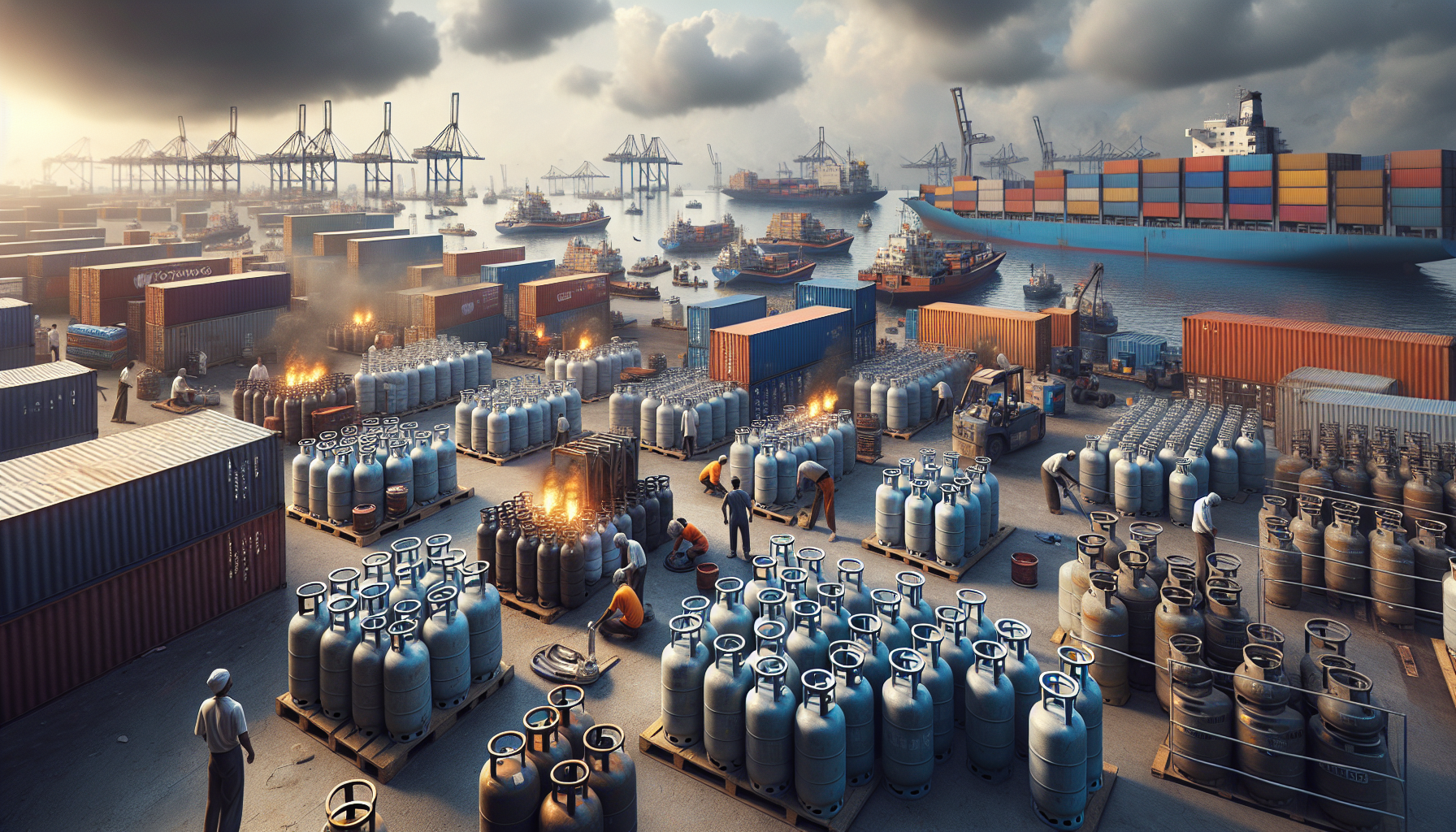
Sri Lanka implemented a significant increase in liquefied petroleum gas (LPG) prices on Monday, raising costs by nearly 23 percent. The government attributed the hike to escalating global energy prices driven by the ongoing conflict involving Iran. Alongside LPG, Sri Lanka imports all its oil and purchases coal to generate electricity, making the country vulnerable to fluctuations in international energy markets.
Authorities have cautioned that a prolonged war in the Middle East could severely hinder the nation’s recovery from the economic crisis that began in 2022. This latest LPG price adjustment follows an eight percent increase imposed just last month.
A private company, which controls roughly 25 percent of the domestic LPG market, raised its retail price from 4,630 rupees ($14.69) to 5,700 rupees ($18.08), marking a 23 percent surge. Meanwhile, the state-owned Litro Gas, the primary supplier of LPG for cooking, increased the price of a 12.5-kilogram refill by 19.42 percent, from 3,990 rupees ($13.09) to 4,765 rupees ($15.62).
A spokesperson for Litro Gas confirmed that supplies are secured for the entire month of April but noted that the rise in global LPG prices and shipping expenses necessitated the price revision. Last month, Sri Lanka also raised fuel and electricity tariffs by over one-third, following US-Israeli strikes on Iran and subsequent retaliatory attacks that pushed global energy prices higher.
Notably, the Strait of Hormuz, a critical maritime route through which approximately 20 percent of the world’s crude oil and gas exports transit during peacetime, has been effectively closed since the conflict began, further exacerbating supply concerns and price volatility.
