

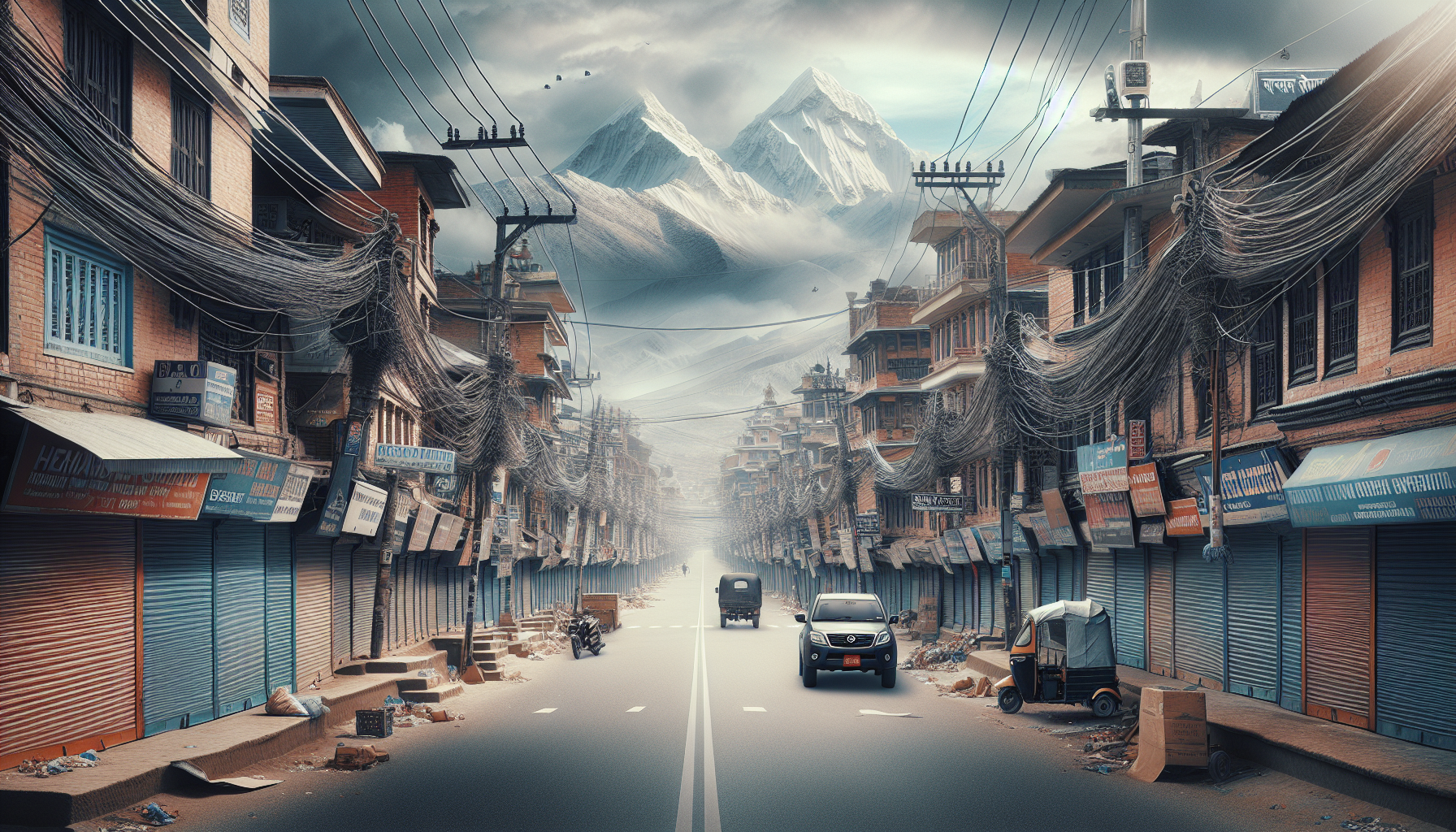
Nepal has announced the implementation of two-day weekends, a significant change from the previous single-day break on Saturdays. This decision comes as the country grapples with an escalating fuel crisis, which has severely impacted daily life and economic activities. The shortage is largely attributed to disruptions caused by the ongoing conflict in Iran, a key player in global oil markets. Nepal’s heavy reliance on India for fuel imports has further complicated the situation, as supply chains face increasing strain.
Historically, Nepal has maintained a six-day workweek, with Saturday being the sole day off for most workers and institutions. The shift to a two-day weekend is aimed at conserving fuel and managing limited resources more effectively during this period of scarcity. This move also reflects the broader challenges faced by landlocked countries dependent on neighboring nations for essential commodities. The government hopes that reducing operational days will alleviate some pressure on fuel consumption and distribution networks.
In a significant development, the fuel crisis underscores Nepal’s vulnerability to international geopolitical tensions and its economic dependence on India. The Iran war has disrupted oil supplies globally, causing ripple effects in countries far from the conflict zone. Nepal’s adjustment in workweek policy highlights the tangible impact of global conflicts on local economies and daily life. Moving forward, this situation may prompt Nepal to explore diversified energy sources and strengthen regional cooperation to mitigate similar crises.
