

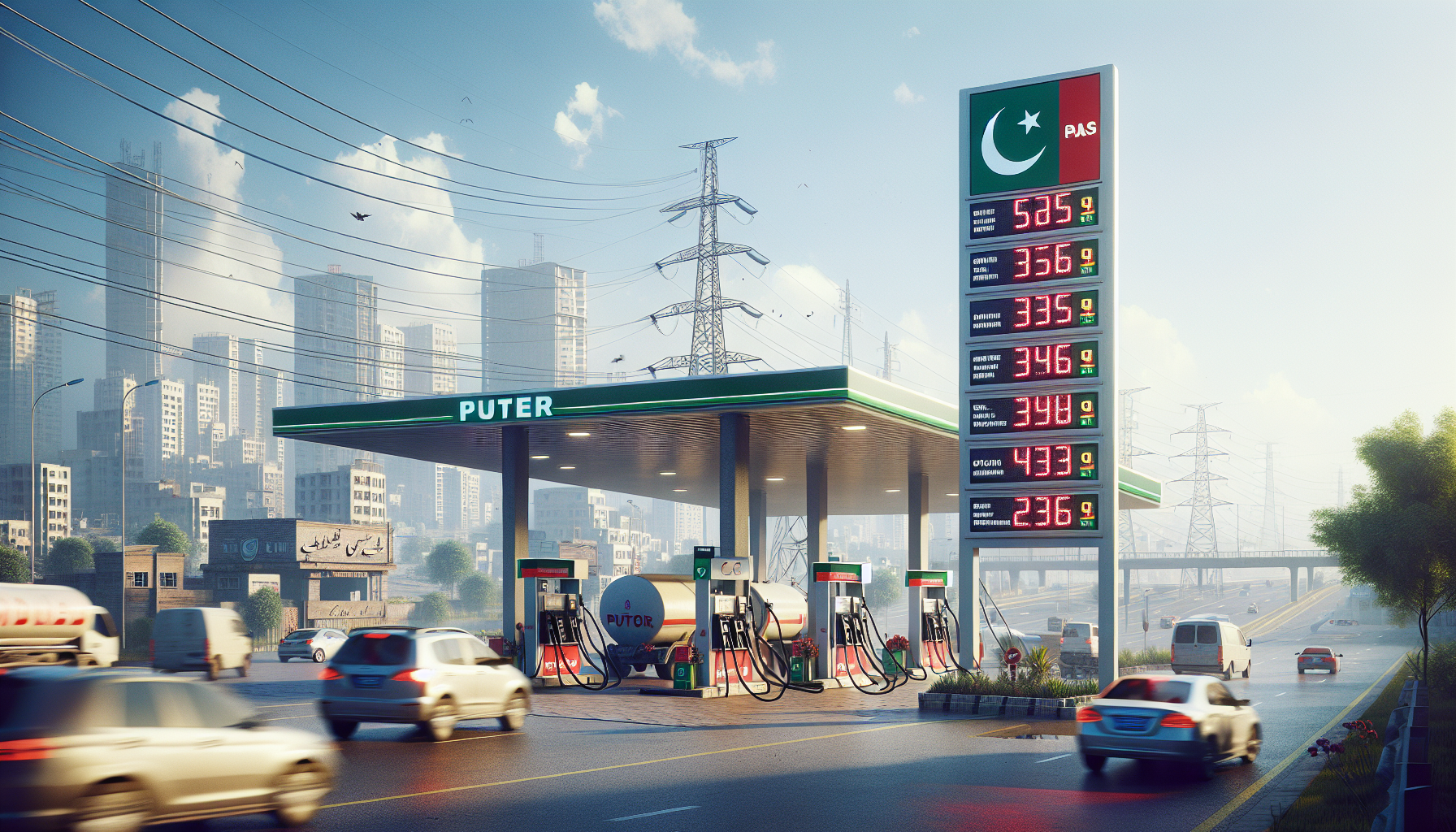
The government has implemented a substantial increase in the petroleum levy across various fuel categories, intensifying the financial burden on consumers as part of its strategy to meet fiscal goals for the current financial year.
The levy on petrol has been raised by Rs55 per litre, now totaling Rs160.61 per litre, up from the previous Rs106 per litre. This marks a considerable rise in the tax imposed on the country’s most commonly used fuel.
High-octane fuel has seen an even steeper increase, with the levy now set at Rs305.37 per litre. Other fuel types have experienced smaller but still significant hikes: kerosene oil carries a levy of Rs20.36 per litre, while light diesel has increased to Rs15.84 per litre. Additionally, the levy on furnace oil has been fixed at Rs77 per metric ton, broadening the government’s revenue measures within the energy sector.
Officials emphasize that this adjustment aligns with the government’s fiscal framework, aiming to achieve petroleum levy collections of Rs1,468 billion during the ongoing financial year.
Meanwhile, this increase is anticipated to have a ripple effect, raising transportation and commodity prices and potentially exacerbating inflationary pressures already impacting consumers.
In a significant development, the federal government announced a sharp rise in petroleum prices on Thursday, with petrol prices increasing by Rs137.41 per litre and diesel by Rs184.14 per litre. The new prices bring petrol to Rs458 per litre (approximately $1.64) and diesel to Rs520 per litre (around $1.86), representing one of the steepest monthly hikes in recent years.
The surge has been linked to escalating tensions in the Middle East, especially the ongoing US-Iran conflict near the Strait of Hormuz, which has driven global crude oil prices upward. Brent crude is trading near $109 per barrel, while US West Texas Intermediate crude reached $112.60, its highest level since early March.
Petroleum Minister Ali Pervaiz Malik and Finance Minister Muhammad Aurangzeb confirmed the price increases during a joint press briefing. To mitigate the impact on smaller commuters, Aurangzeb announced a subsidy for motorcycles, allowing up to 20 litres of petrol at Rs100 less per litre.
This sharp price adjustment is expected to lead to higher fares for public transportation, ride-hailing services, and logistics operations, adding further strain on consumers already facing rising living costs. This revision follows closely on the heels of the government absorbing Rs56 billion in fuel costs, highlighting the ongoing volatility in global energy markets.
