

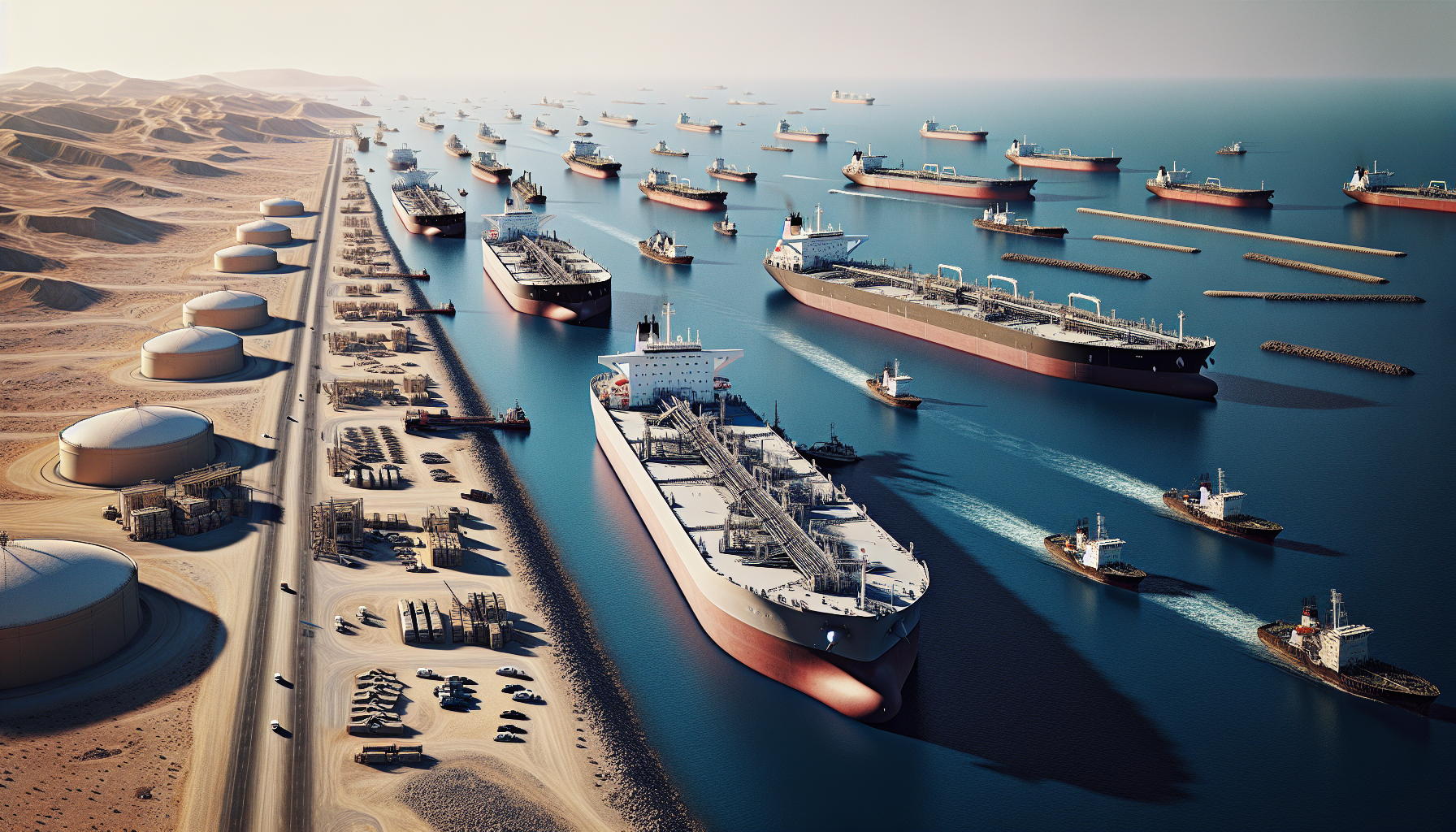
The Strait of Hormuz is a vital maritime chokepoint through which approximately 20 percent of the world’s oil and gas shipments transit. This narrow waterway, located between the Persian Gulf and the Gulf of Oman, plays a crucial role in global energy security and international trade. Any disruption in this passage can have significant repercussions on global energy markets and geopolitical stability.
In a significant development, Starmer has spearheaded the formation of a coalition comprising 40 nations aimed at safeguarding the free flow of energy resources through the Strait. This multinational alliance seeks to enhance maritime security, deter potential threats, and ensure uninterrupted access for commercial vessels navigating this strategic corridor. The coalition’s efforts reflect growing concerns over regional tensions and the potential for conflict to impact global energy supplies.
Meanwhile, the initiative underscores the broader geopolitical importance of the Strait of Hormuz, which connects major oil-producing countries to international markets. By coordinating defense and surveillance measures, the coalition aims to mitigate risks posed by piracy, military confrontations, or blockades. The success of this coalition could stabilize energy prices and reinforce international cooperation in maintaining critical infrastructure for global commerce.
