

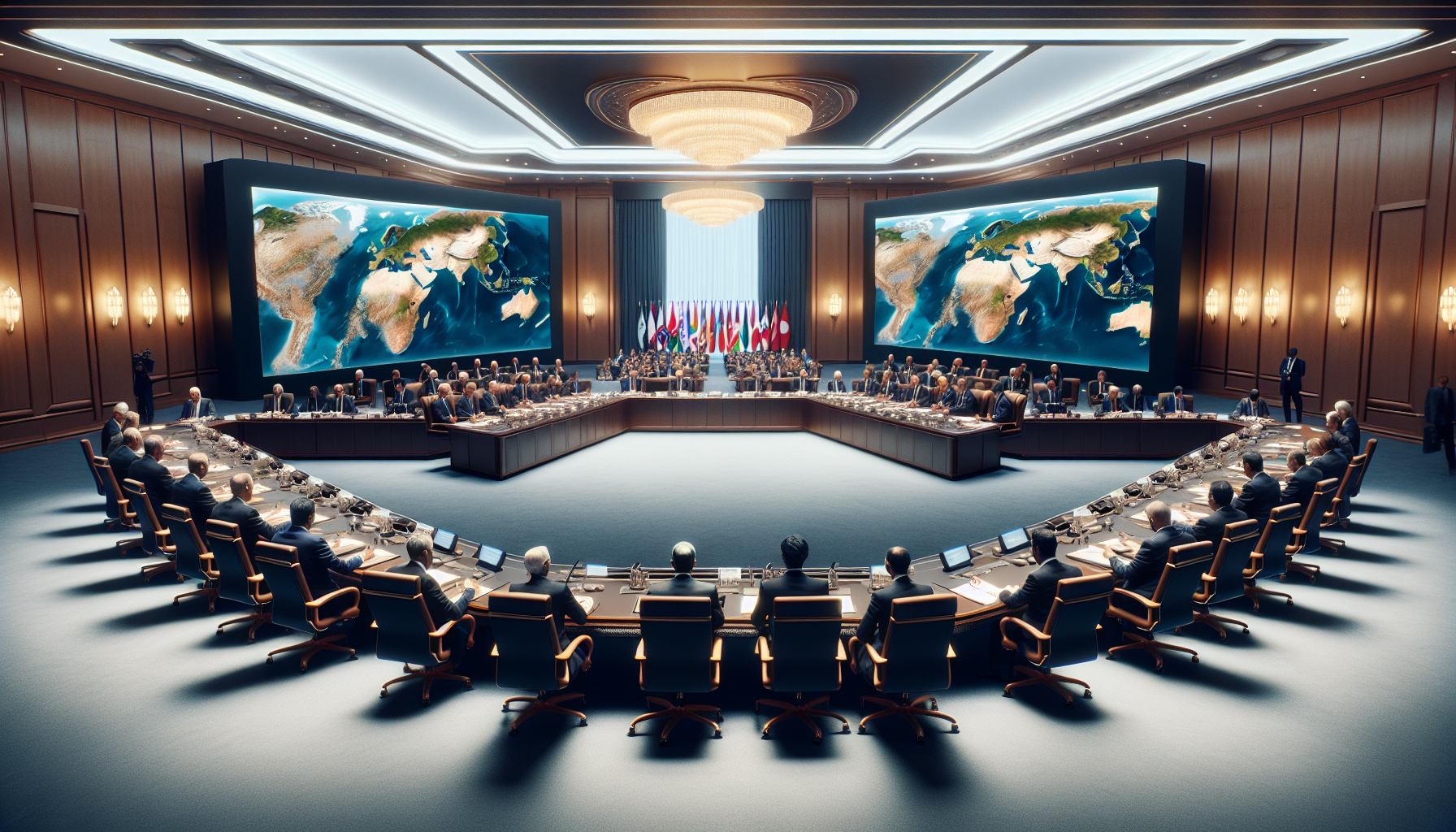
The United Kingdom is set to convene a high-level meeting involving representatives from 35 countries to discuss the reopening of the Strait of Hormuz, a critical maritime chokepoint for global oil shipments. UK Prime Minister Keir Starmer has emphasized that resolving the situation will be challenging, reflecting the geopolitical tensions surrounding this strategic waterway. The Strait of Hormuz, located between the Persian Gulf and the Gulf of Oman, is vital for international energy security, with a significant percentage of the world’s petroleum passing through it daily.
In a significant development, the UK’s initiative aims to foster multilateral cooperation to ensure safe and uninterrupted passage through the strait, which has been subject to blockades and conflicts in recent years. The involvement of 35 nations underscores the global importance of the strait, as disruptions can lead to volatility in oil prices and impact economies worldwide. The talks will likely address security arrangements, diplomatic efforts, and mechanisms to prevent future closures or conflicts.
Meanwhile, the meeting reflects broader international concerns about stability in the Middle East and the safeguarding of maritime trade routes. The outcome could influence regional diplomacy and energy markets, potentially easing tensions between key players. As the UK takes a leading role, this diplomatic effort highlights the interconnected nature of global security and economic interests tied to the Strait of Hormuz.
