

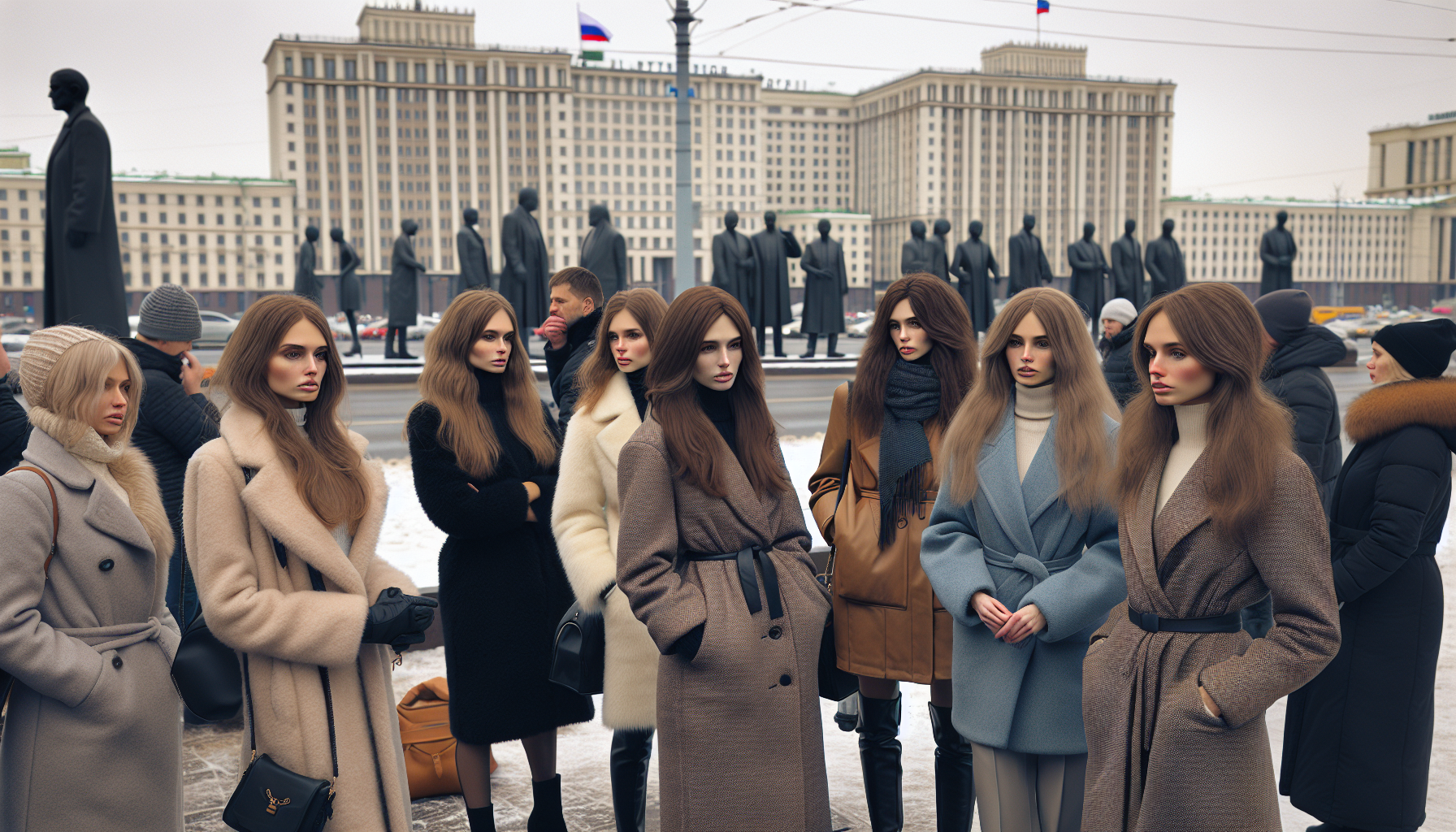
In Moscow, Russian women have voiced strong opposition to recent government proposals aimed at encouraging childbirth through psychological intervention. The health ministry introduced guidelines in February recommending that women who do not wish to have children be referred to psychotherapists to cultivate a more positive attitude toward motherhood. However, many women describe this approach as coercive, ineffective, and emotionally damaging.
Maria, a 25-year-old IT professional, expressed her skepticism, stating she does not envision herself as a mother and sees no reason why having children would increase her happiness. She added that government policies seem designed to prevent any change in her perspective. Russia is currently facing a severe demographic challenge, with fertility rates at 1.4 children per woman—significantly below the 2.1 replacement level required to maintain the population size. The ongoing conflict in Ukraine, which has mobilized hundreds of thousands of young men over the past four years, has further exacerbated this decline.
President Vladimir Putin has warned that Russia risks “veritable extinction” if birth rates continue to fall. Nevertheless, Maria dismissed the government’s measures as inadequate, criticizing restrictions on abortion access, psychological pressure, and insufficient financial support. She emphasized that women primarily desire social security, stable incomes, affordable housing, and a sense of safety.
Alongside the psychotherapy recommendation, lawmakers have banned “child-free propaganda,” criminalizing public discussions about choosing not to have children, with violators facing fines up to 400,000 rubles ($5,000). Abortion laws have also been tightened, leading many private clinics to cease offering the procedure.
Anastasia, a 29-year-old child rehabilitation specialist, highlighted economic barriers, noting her monthly salary of 100,000 rubles is insufficient to save for housing. She also pointed to a cultural issue, describing a “lack of fatherhood culture” in Russia, where many men are uninvolved in child-rearing and often leave women to raise children alone after divorce. Russia reportedly has one of the highest divorce rates globally.
Margarita, an English teacher unable to have children for medical reasons, warned that the health ministry’s initiative could harm women’s mental health by stigmatizing those who choose not to have children. Mothers also voiced concerns; Irina, a 45-year-old doctor and mother of two, argued that women should have the right to decide against motherhood and questioned the morality of forcing women to bear children against their will.
Meanwhile, some Russian men appeared less troubled by the directive. Maxim, 49, noted that the health ministry’s guidelines are merely recommendations and expressed the view that opting not to have children is “unhealthy.” This contrast underscores the ongoing societal debate over reproductive rights and demographic policies in Russia.
