

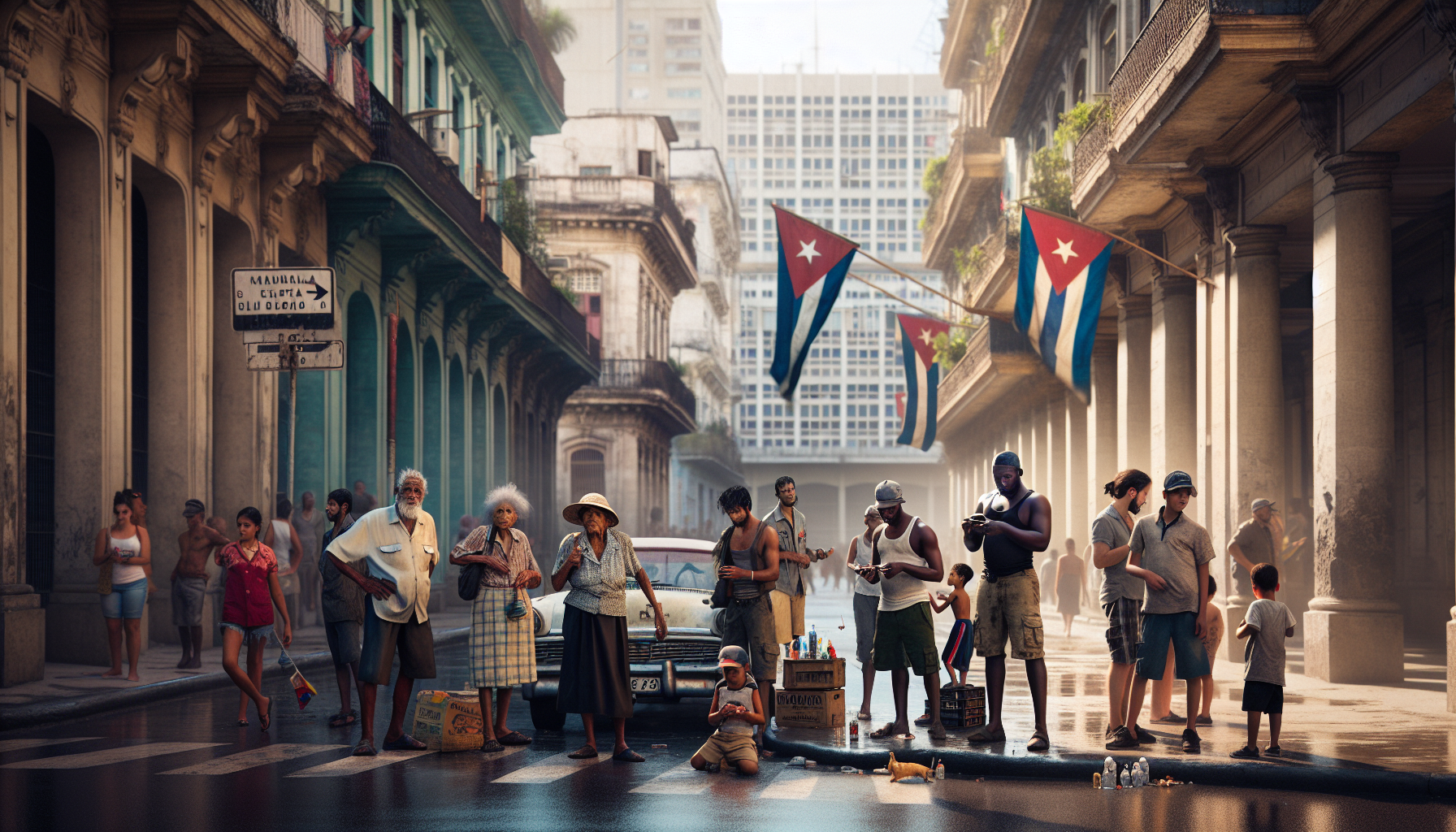
Cuba is currently enduring one of the most severe humanitarian crises in its modern history, marked by widespread shortages of food, medicine, and essential supplies. This dire situation has intensified public discontent and sparked debates about the effectiveness and stability of the island’s political leadership. President Miguel Diaz-Canel, who assumed power after the long rule of the Castro family, faces mounting pressure both domestically and internationally to address the escalating challenges.
In a significant development, analysts and observers are closely examining the power dynamics within Cuba’s Communist Party and government institutions. Diaz-Canel’s leadership style and policy decisions are under scrutiny as the country grapples with economic hardships exacerbated by sanctions and the global pandemic. Meanwhile, speculation about potential successors or shifts in the political hierarchy has gained traction, reflecting uncertainty about the regime’s future direction.
The crisis in Cuba holds broader implications for regional stability and international relations, particularly with the United States and Latin American neighbors. The government’s response to the humanitarian emergency will likely influence Cuba’s social cohesion and political landscape in the coming months. Notably, any change in leadership could signal a new chapter for the island, affecting both domestic governance and foreign policy strategies.
