

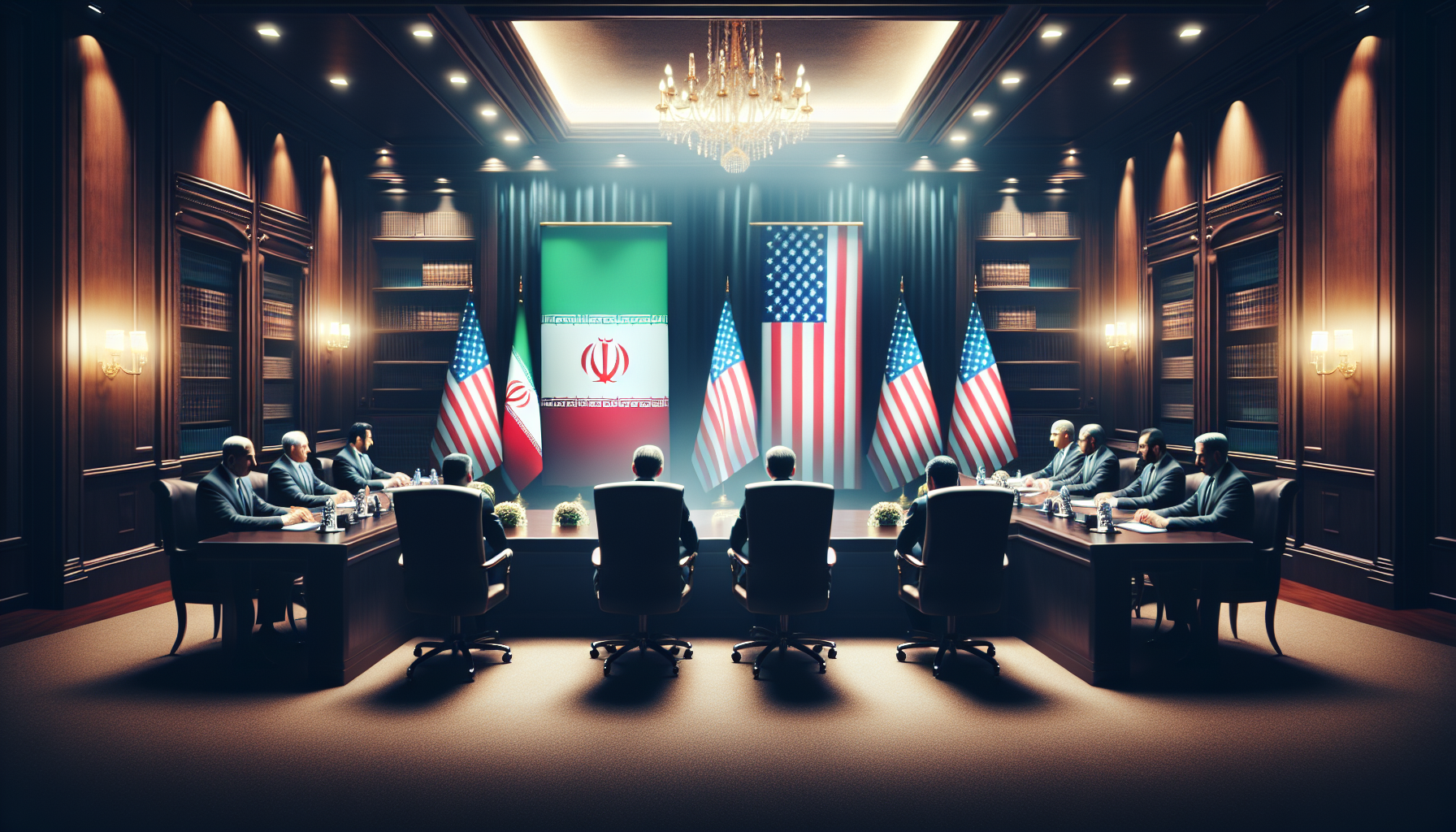
Iranian authorities have expressed skepticism regarding the 15-point plan proposed by former US President Donald Trump, emphasizing that it does not signify the commencement of a diplomatic process. This response highlights the ongoing tension and mistrust between Tehran and Washington, which have complicated efforts to revive dialogue following the US withdrawal from the Iran nuclear deal in 2018. The Iranian stance suggests that Tehran views the plan as insufficient or insincere in addressing core issues.
Meanwhile, the broader geopolitical context involves strained US-Iran relations marked by sanctions, regional conflicts, and nuclear concerns. The rejection of Trump’s plan underscores the challenges faced by any diplomatic overture that lacks mutual trust or comprehensive engagement. Iran’s position also reflects its insistence on a more balanced and respectful negotiation framework that addresses its security and economic interests.
In a significant development, this dismissal may influence future diplomatic strategies by both sides, potentially delaying renewed talks or prompting alternative approaches. The international community continues to watch closely, as stability in the Middle East heavily depends on resolving the US-Iran impasse. The Iranian response serves as a reminder of the complexities involved in restarting diplomacy after years of hostility.
