

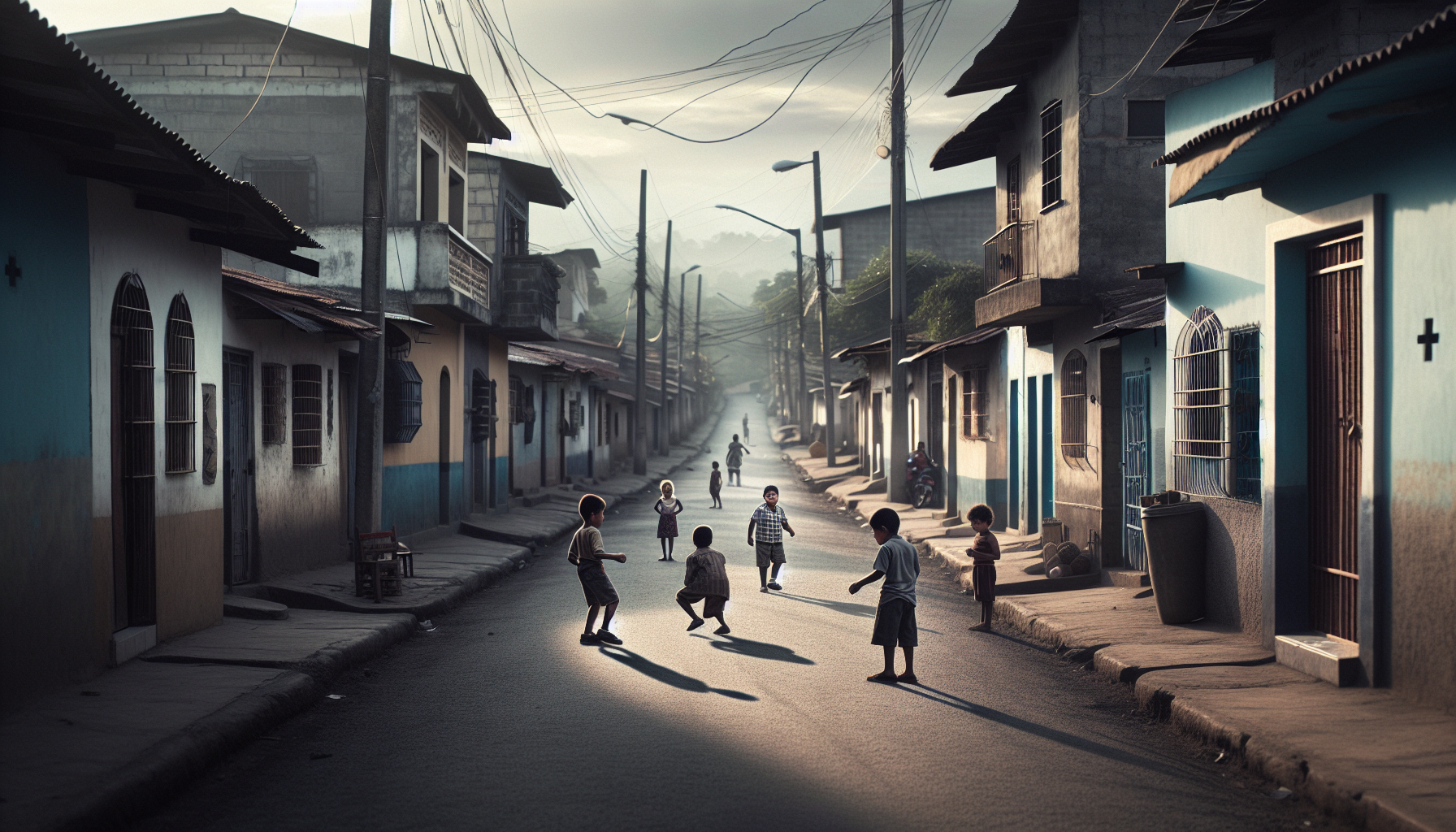
El Salvador’s state of emergency, now in its fourth year, has led to widespread mass arrests as part of the government’s crackdown on crime. This aggressive policy, aimed at curbing gang violence, has resulted in thousands of detentions across the country. However, the human cost of these arrests is becoming increasingly apparent, particularly for the children whose parents have been incarcerated. Many families are raising alarms about the growing number of minors left without parental care due to the ongoing security measures.
Notably, the emergency decree has sparked significant debate about its social consequences beyond crime reduction. While the government touts the policy as a necessary step to restore order, critics emphasize the emotional and psychological toll on children suddenly thrust into vulnerable situations. These children often face instability, lack of guardianship, and increased risk of poverty or exploitation. The situation underscores the complex balance between public security and human rights within El Salvador’s efforts to combat gang-related violence.
In a significant development, social organizations and family advocates are calling for more comprehensive support systems to assist these children. They stress the importance of providing safe environments, psychological counseling, and educational opportunities to mitigate the long-term effects of parental absence. Meanwhile, the government faces mounting pressure to address these humanitarian concerns while maintaining its tough stance on crime. The evolving crisis highlights the broader implications of security policies on society’s most vulnerable members in El Salvador.
