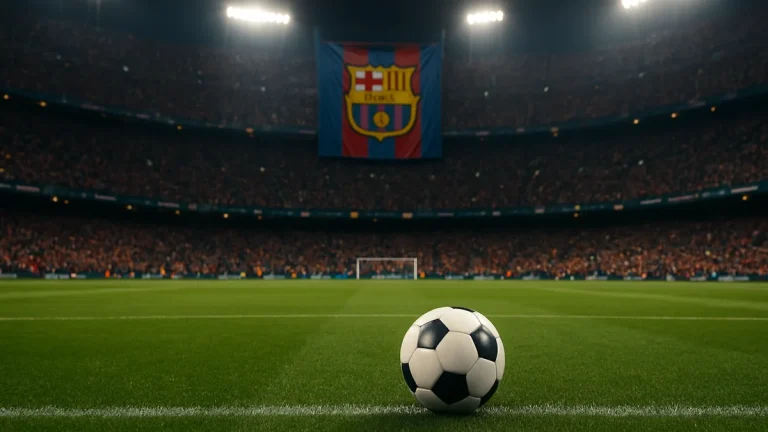
Football, once celebrated for its artistry and passion epitomized by Pele’s famous ‘Joga Bonito’ or ‘play beautifully’ philosophy, has undergone profound changes over the decades. The sport’s roots lie in creativity, skill, and community engagement, which made it the world’s most beloved game. However, the rise of commercial interests and massive financial investments has shifted the focus towards profitability and global entertainment. This transformation has sparked debates about whether the essence of football—the joy of the game and its cultural significance—has been overshadowed by business imperatives.
In recent years, the World Cup has evolved into a multi-billion-dollar event, attracting huge sponsorship deals, broadcasting rights, and global audiences. While this growth has expanded football’s reach and improved infrastructure worldwide, it has also introduced challenges such as excessive commercialization and the prioritization of financial gains over sporting values. Players and clubs are now part of a complex ecosystem where marketability often influences decisions more than pure sporting merit. This shift has led some fans and experts to question if football still retains the soul that once made it unique.
Meanwhile, the sport continues to inspire millions, with grassroots initiatives and local leagues striving to preserve football’s original spirit. The tension between tradition and modernity remains a central theme as stakeholders seek to balance economic realities with the game’s cultural heritage. Ultimately, football’s future will depend on how well it can integrate commercial success with the timeless qualities that have made it the beautiful game for generations.