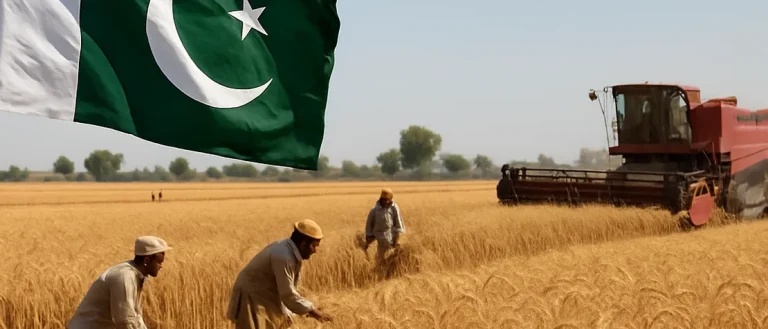



The government is exploring the possibility of implementing a fixed income tax on farmers if the agricultural revenue targets are not achieved. This move aims to ensure a steady flow of tax revenue from the farming sector, which plays a crucial role in the national economy. Agriculture remains a backbone for many rural communities, contributing significantly to GDP and employment.
In a significant development, authorities are considering this fixed tax as a measure to streamline tax collection and reduce discrepancies in reported incomes. The decision reflects ongoing efforts to broaden the tax base and improve fiscal stability amid economic challenges. Meanwhile, farmers and stakeholders are likely to closely monitor the government’s approach, as it could impact their financial planning and operational costs.
Notably, the agricultural sector’s performance directly influences food security and export potential, making tax policies in this area highly consequential. The government’s strategy to potentially enforce a fixed income tax underscores the balancing act between revenue generation and supporting farmers’ livelihoods. The outcome of this consideration will be pivotal in shaping future agricultural and economic policies.