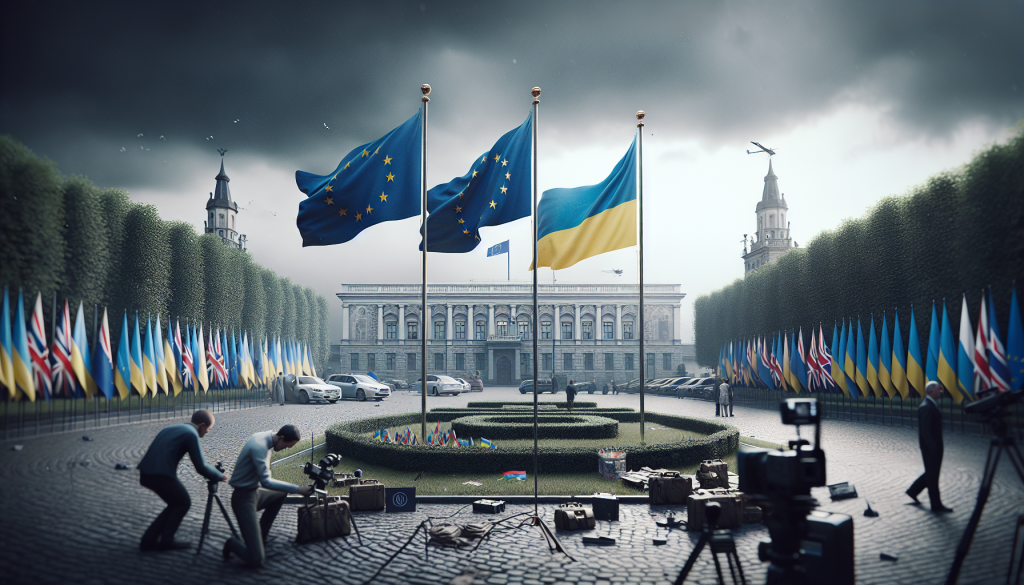
In a significant development, the European Union and the United Kingdom have imposed sanctions targeting Russian institutions and officials involved in the forced deportation and indoctrination of Ukrainian children. These measures come amid mounting evidence that Russia has systematically removed children from Ukraine during the ongoing war, raising serious human rights concerns. The sanctions aim to hold accountable those responsible for these actions and to deter further violations.
The deportation of Ukrainian children has been widely condemned by international bodies as a violation of international law, with reports indicating that these children are subjected to forced assimilation and propaganda efforts. This practice not only disrupts families but also attempts to erase Ukrainian cultural identity. The EU and UK’s coordinated response underscores the severity of the issue and reflects a broader strategy to pressure Russia over its conduct in the conflict.
Meanwhile, these sanctions contribute to the growing list of punitive measures against Russia, highlighting the international community’s resolve to address humanitarian abuses linked to the war. The impact of these sanctions extends beyond symbolic gestures, as they restrict the operations and international engagement of implicated Russian entities. This move also signals continued support for Ukraine and a commitment to uphold international human rights standards during the conflict.