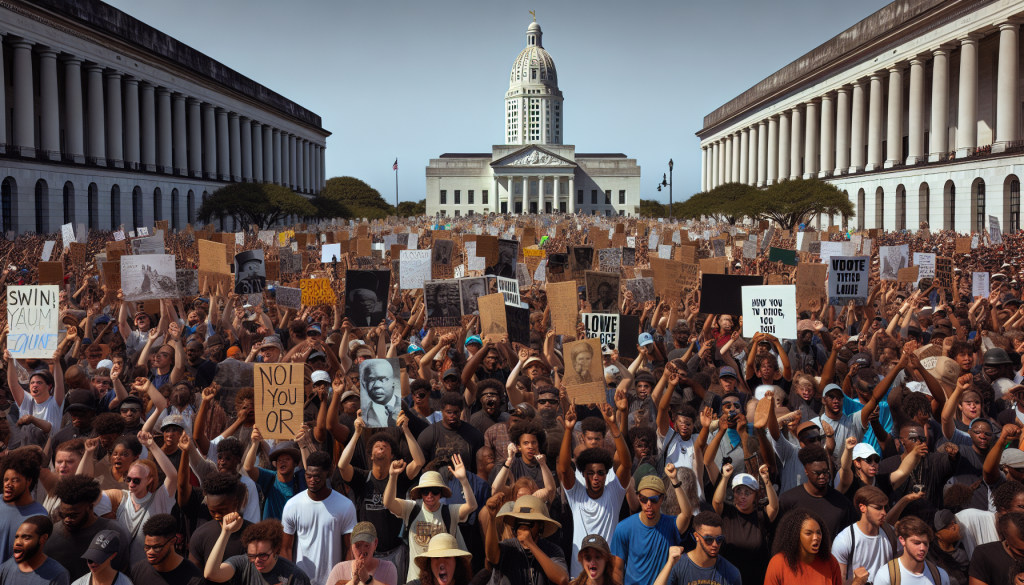
In a significant development, Louisiana Republicans have introduced a redistricting plan that would eliminate a majority-Black congressional district in the state. This move has generated considerable anger and confusion among residents, civil rights groups, and political observers who view the proposal as an attempt to dilute Black voting power. The district in question has historically provided representation for African American communities, making its potential removal a contentious issue in the state’s political landscape.
Redistricting efforts often carry profound implications for political representation, especially for minority groups. By targeting a district where Black voters form the majority, the proposed changes could reshape electoral outcomes and influence the balance of power in Louisiana’s delegation to the US House of Representatives. Critics argue that such actions undermine the principles of fair representation and could lead to legal challenges based on allegations of racial gerrymandering.
Meanwhile, supporters of the plan contend that redistricting is a routine process following the census, aimed at reflecting population shifts. However, the controversy highlights ongoing national debates about voting rights and the protection of minority communities in the electoral process. The outcome of this proposal will be closely watched as it may set precedents for similar cases across the United States, impacting how districts are drawn and how communities are represented in Congress.