

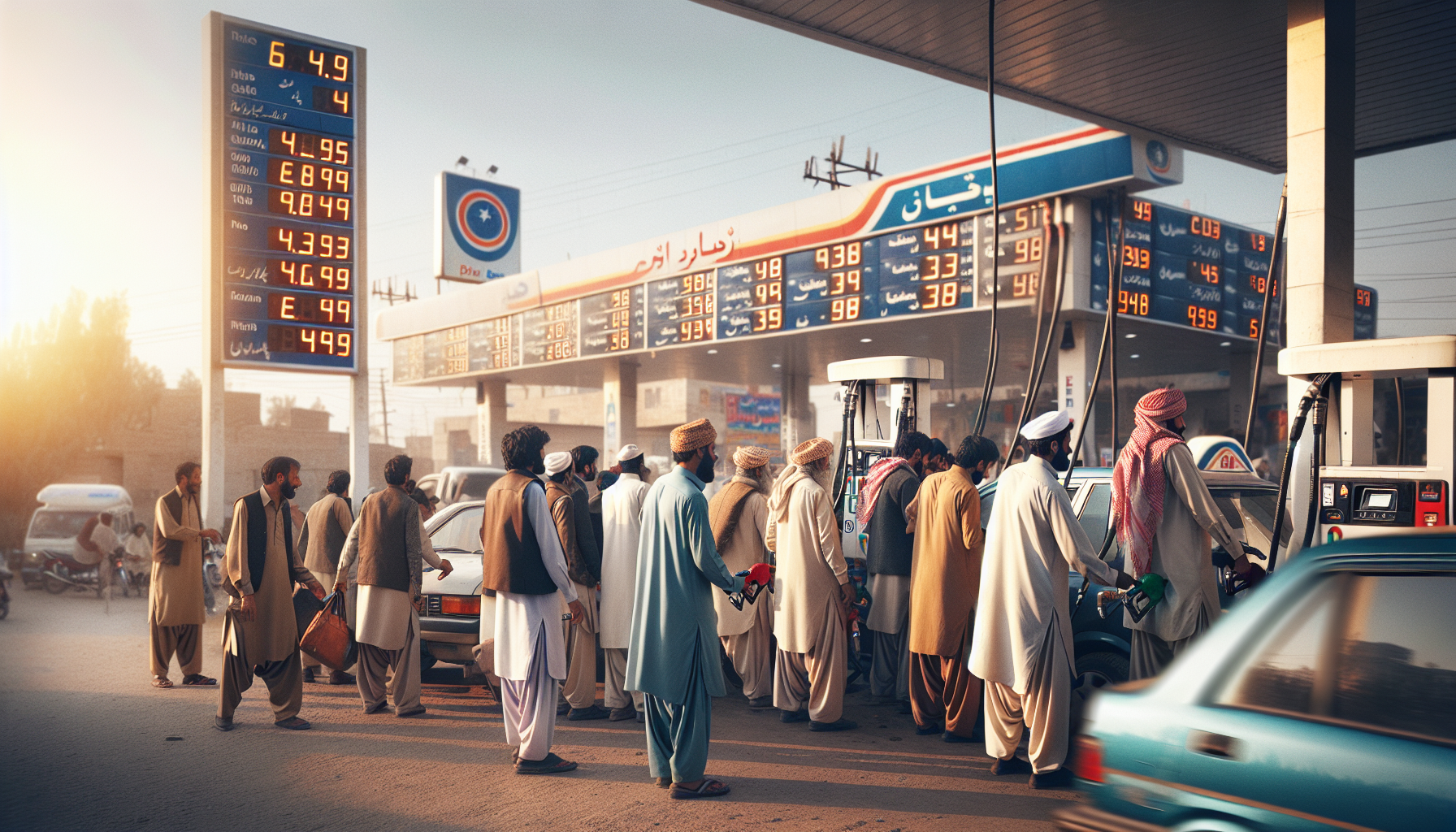
Hafiz Naeem has strongly condemned the recent surge in petrol prices, describing the increase as a form of oppression against the general public. This rise in fuel costs is expected to exacerbate the financial burdens faced by many households, particularly amid ongoing economic challenges. The hike not only affects individual consumers but also has broader implications for transportation and goods pricing across the country.
In a significant development, the petrol price adjustment comes at a time when inflation rates are already high, putting additional pressure on the cost of living. Such increases often trigger public discontent and can lead to calls for government intervention to stabilize essential commodity prices. Hafiz Naeem’s remarks underscore the growing frustration among citizens who are struggling to cope with rising expenses.
Meanwhile, the petrol price hike could have ripple effects on various sectors, including logistics, agriculture, and manufacturing, potentially slowing economic growth. The public’s response to these changes may influence future policy decisions as authorities balance fiscal needs with social welfare. Hafiz Naeem’s vocal opposition highlights the critical need for measures that protect vulnerable populations from the adverse effects of inflationary pressures.
