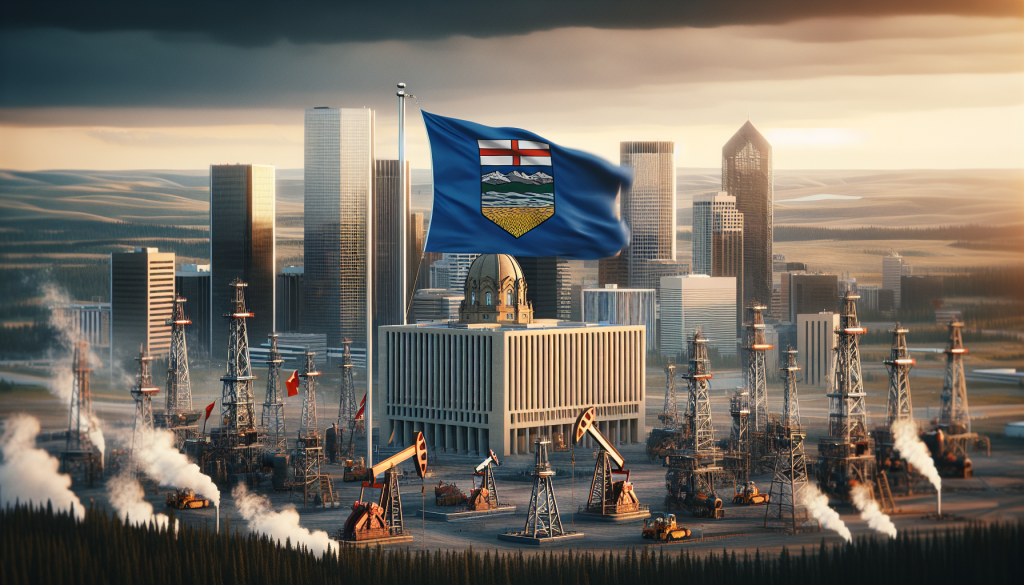
Alberta, known for its abundant oil reserves, is witnessing a surge in calls for independence, with discussions about holding a referendum as early as October. This movement reflects growing dissatisfaction among some residents who feel the province’s economic contributions are undervalued within the Canadian federation. The push for secession is fueled by debates over resource management, fiscal policies, and political representation. However, the path to independence is fraught with legal and constitutional challenges that complicate the process significantly.
In a significant development, proponents of Alberta’s independence argue that the province’s wealth from oil and gas resources should translate into greater autonomy or even full sovereignty. Meanwhile, critics caution that secession could lead to economic uncertainty and political instability, both within Alberta and across Canada. The federal government has previously maintained that any attempt at separation would require extensive negotiations and adherence to constitutional law. This situation highlights the broader tensions between regional identities and national unity in Canada.
Notably, the potential referendum in Alberta is part of a wider trend of regional movements seeking greater self-determination in various parts of the world. The outcome could have far-reaching implications for Canada’s political landscape and its approach to resource governance. As the October timeline approaches, stakeholders from all sides are preparing for a complex debate that will test the resilience of Canadian federalism. The international community is also watching closely, given the precedent such a move could set for other regions with separatist ambitions.