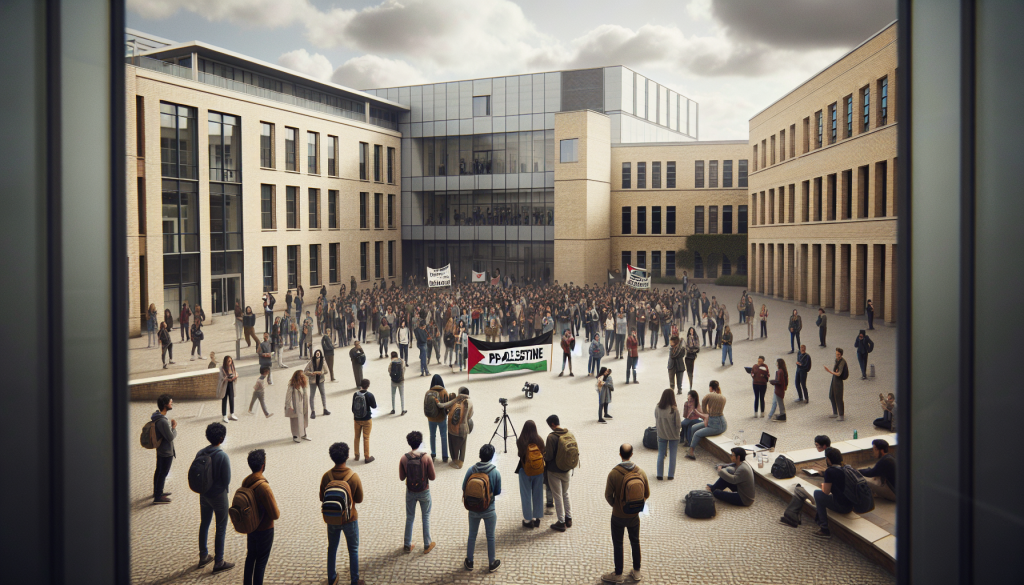
In a significant development, multiple universities across the United Kingdom have engaged a private firm to keep track of students advocating for the Palestinian cause. This surveillance effort targets pro-Palestine activists, sparking debates about the balance between campus security and students’ rights to free expression. The involvement of a third-party company in monitoring student activities marks a controversial approach to managing political activism within academic institutions.
Historically, UK universities have been centers for vibrant political discourse, often hosting diverse viewpoints on international conflicts. However, the decision to outsource surveillance to a private entity introduces new ethical and legal questions regarding privacy and the extent of institutional oversight. Critics argue that such monitoring could suppress legitimate activism and chill open debate on sensitive geopolitical issues.
Meanwhile, this revelation has drawn attention from civil rights advocates and student organizations, who warn that the practice may undermine trust between students and university administrations. The broader implications touch on academic freedom, the right to protest, and the responsibilities of educational institutions in safeguarding both security and democratic values. As this story unfolds, it highlights the complex challenges universities face in navigating political tensions on campus.