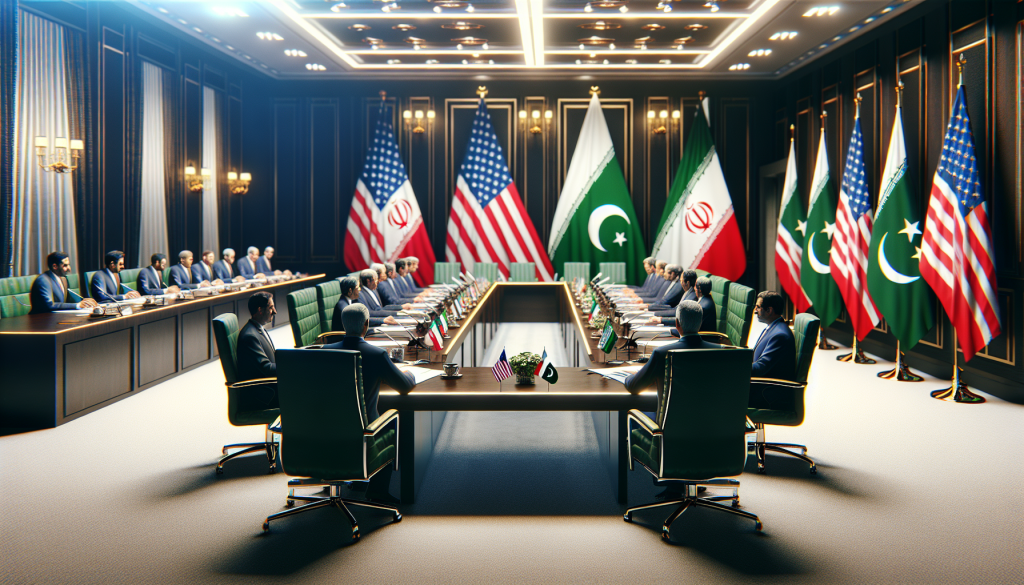
In a recent statement, former U.S. President Donald Trump expressed his disapproval of a proposal from Iran, which was reportedly communicated through Pakistan. He indicated that the terms outlined in the Iranian offer contain conditions he finds unacceptable and therefore cannot agree to them. This development highlights ongoing tensions and the complexities involved in diplomatic negotiations between the United States and Iran.
Notably, the involvement of Pakistan as an intermediary in this communication underscores the regional dynamics and Pakistan’s role in facilitating dialogue between conflicting parties. Iran’s approach through Pakistan suggests a strategic attempt to engage with the U.S. indirectly, reflecting the delicate nature of international diplomacy in the Middle East. Trump’s rejection of the proposal may influence future diplomatic efforts and negotiations surrounding Iran’s nuclear program and regional policies.
In a significant development, this exchange adds to the broader context of strained U.S.-Iran relations, which have been marked by sanctions, military confrontations, and diplomatic stalemates over the past decade. The refusal of the proposal could potentially stall progress toward easing tensions or resuming formal talks. Observers will be closely watching how both nations and their regional partners respond to this setback in the negotiation process.