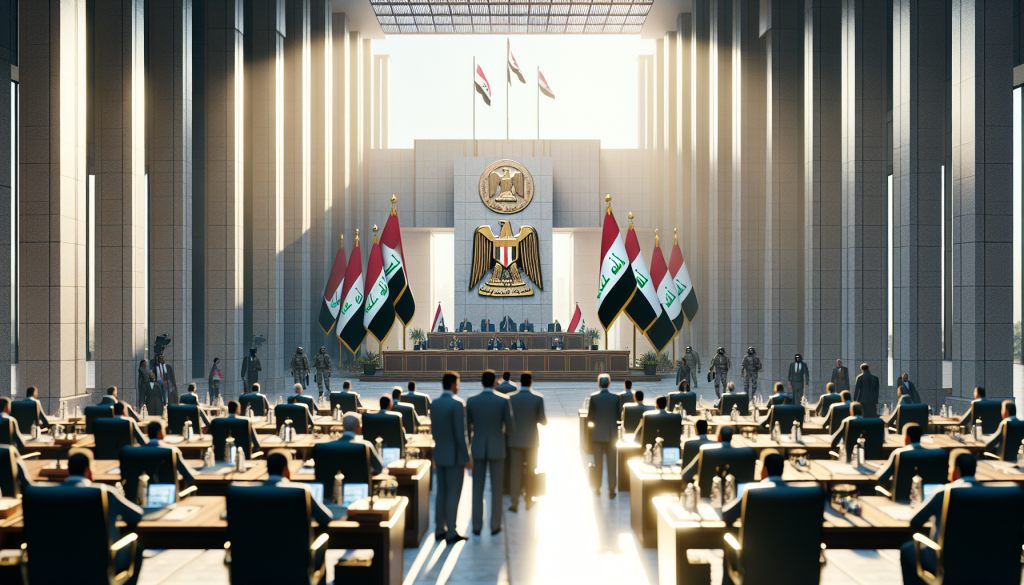
Iraq’s Shia-dominated Coordination Framework is under pressure to nominate a new prime minister by Sunday, in accordance with the country’s constitutional deadline. This bloc, which holds significant influence in the Iraqi parliament, has been navigating internal divisions and external pressures while attempting to agree on a candidate. The nomination is crucial for forming a new government following recent elections that left the political landscape fragmented.
In a significant development, the Coordination Framework’s decision will impact Iraq’s political stability and governance, as the prime minister plays a central role in managing the country’s affairs. The bloc’s ability to overcome obstacles and present a consensus candidate will determine the pace of government formation and the implementation of reforms demanded by the public. Meanwhile, rival factions and opposition groups are closely watching the process, anticipating potential shifts in power dynamics.
The constitutional mandate to name a prime minister by Sunday underscores the urgency of resolving political deadlock in Iraq. Failure to meet this deadline could exacerbate instability and delay critical policy decisions amid ongoing economic and security challenges. Notably, the outcome will influence Iraq’s relations with regional and international actors invested in the country’s future, highlighting the broader significance of this political milestone.