



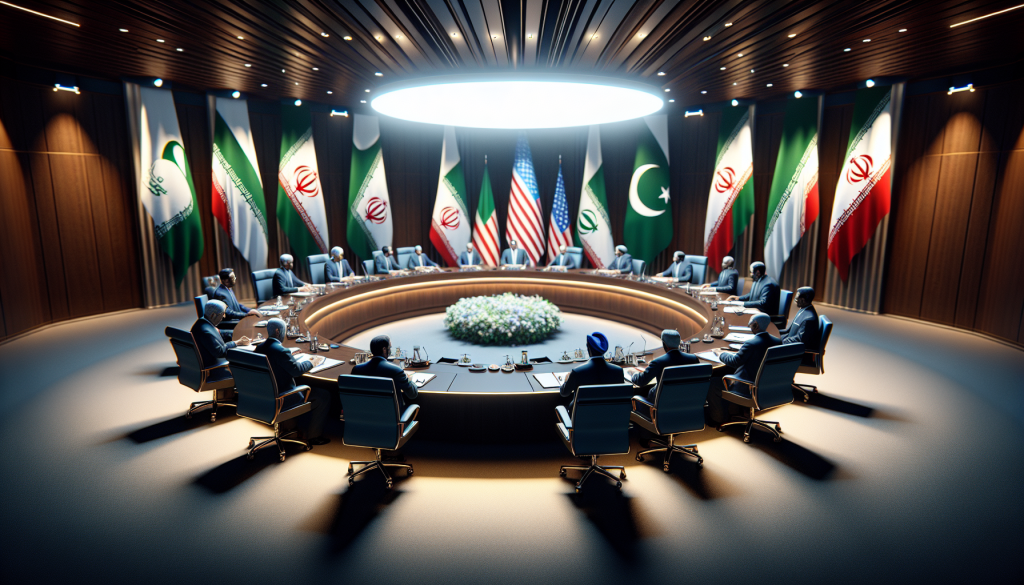
Pakistan has expressed approval of the extension of the ceasefire between Iran and the United States, conveying optimism that the ongoing diplomatic initiatives in Islamabad will culminate in a wider peace agreement. Prime Minister Shehbaz Sharif conveyed his gratitude to US President Donald Trump for agreeing to prolong the ceasefire, which was extended following a request from Islamabad to allow negotiations to proceed.
On behalf of himself and Field Marshal Syed Asim Munir, the Prime Minister thanked President Trump for his willingness to extend the truce, emphasizing Pakistan’s commitment to supporting a negotiated resolution to the conflict. Sharif expressed confidence in the diplomatic process, stating that Pakistan would persist in its sincere efforts to facilitate a peaceful settlement.
He further expressed hope that both parties would honor the ceasefire and work towards finalizing a comprehensive peace agreement during the upcoming second round of talks scheduled to take place in Islamabad. The Prime Minister underscored the importance of this dialogue in achieving a permanent end to hostilities.
In a significant development, US President Donald Trump announced the ceasefire extension just hours before the original truce was set to expire. He noted that the decision was made at Pakistan’s request to provide more time for diplomatic engagement and for Tehran to prepare a unified proposal. Trump stated that US forces would remain on standby, maintaining pressure on Iran, including through a naval blockade of its ports—a measure Tehran has condemned as an act of war.
The extension coincides with Islamabad’s preparations to host the second round of negotiations between Iran and the US. Washington has confirmed that a delegation led by Vice President JD Vance will soon travel to Pakistan, although Tehran has yet to confirm its participation. the US delegation may include Jared Kushner, former President Trump’s son-in-law, and Special Envoy Steve Witkoff. Meanwhile, Iranian state media denied that any delegation had departed for Pakistan.
The initial round of talks lasted approximately 21 hours but ended without agreement due to disagreements over Iran’s nuclear and ballistic missile programs, control of the Strait of Hormuz, and US sanctions. The conflict escalated after a joint US-Israel bombing campaign against Iran on February 28, leading to broader regional hostilities including Iranian actions in the Strait of Hormuz and attacks on US and Israeli positions.
The ceasefire was first brokered on April 8 through Pakistan’s mediation, which also included inviting both sides to Islamabad for negotiations. Despite this, President Trump had previously expressed reluctance to extend the truce, suggesting the US remained in a strong bargaining position.
Earlier, Pakistan had called on both parties to prolong the two-week ceasefire, emphasizing the critical role of dialogue and diplomacy. Deputy Prime Minister and Foreign Minister Ishaq Dar highlighted this during a meeting with US Charge d’Affaires Natalie A Baker, stressing Pakistan’s consistent advocacy for peaceful engagement as the only viable path to regional stability.
During the meeting, Dar urged Washington and Tehran to consider extending the ceasefire. Baker acknowledged Washington’s appreciation for Pakistan’s positive role in fostering regional peace and dialogue. Separately, Information Minister Attaullah Tarar noted that Pakistan remains in regular contact with Iran and continues to pursue diplomatic channels.
Tarar indicated that a formal confirmation from Iran regarding its delegation’s participation in the Islamabad talks is still awaited. He pointed out that the ceasefire is scheduled to end at 4:50am Pakistan Time on Wednesday, April 22, and stressed the importance of Iran’s decision to attend the talks before the ceasefire expires. Pakistan has made persistent efforts to persuade Iranian leadership to join the second round of negotiations and remains committed to bringing Iran back to the dialogue table.

Leave an opinion