



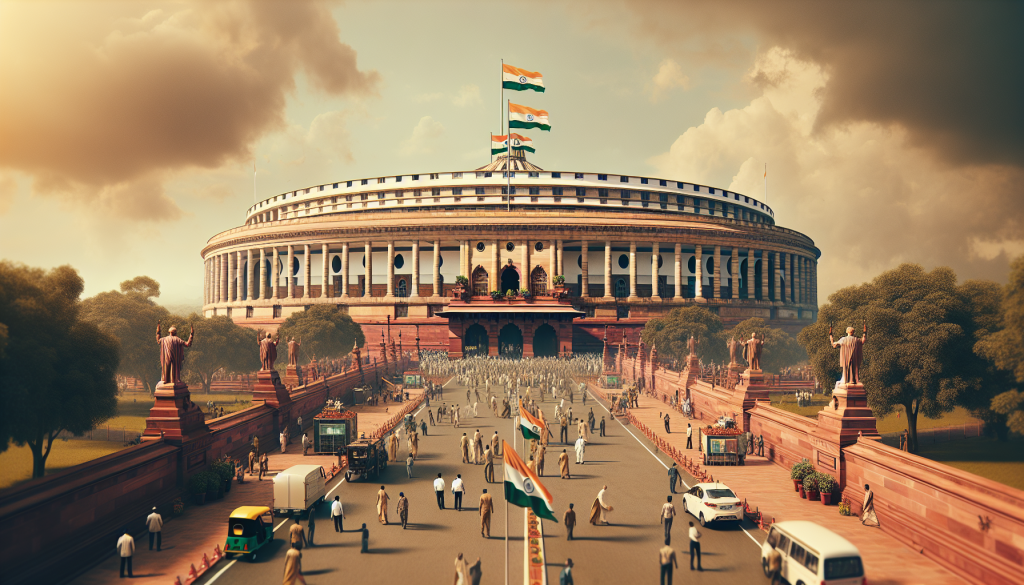
In a significant development, India’s ruling Bharatiya Janata Party (BJP) has connected the enforcement of a law mandating that one-third of parliamentary seats be reserved for women to the redrawing of electoral boundaries, known as delimitation. This move highlights the political strategy behind implementing gender representation reforms in the legislative process. The law aims to increase women’s participation in parliament by reserving 33 percent of seats specifically for female candidates.
Delimitation, the process of redefining the boundaries of parliamentary constituencies, is a critical factor in India’s electoral system as it can influence the political landscape by adjusting the voter base and seat allocation. By linking the women’s reservation law to delimitation, the BJP appears to be setting the stage for a comprehensive restructuring of parliamentary representation. This connection suggests that the timing and scope of the reservation policy will be closely tied to the completion of the delimitation exercise.
The significance of this development lies in its potential impact on India’s political dynamics and gender equality in governance. Increasing women’s representation in parliament could lead to more inclusive policymaking and address long-standing gender disparities in Indian politics. Meanwhile, the delimitation process itself is expected to reshape electoral constituencies, potentially affecting party strongholds and voter demographics ahead of upcoming elections.

Leave an opinion