



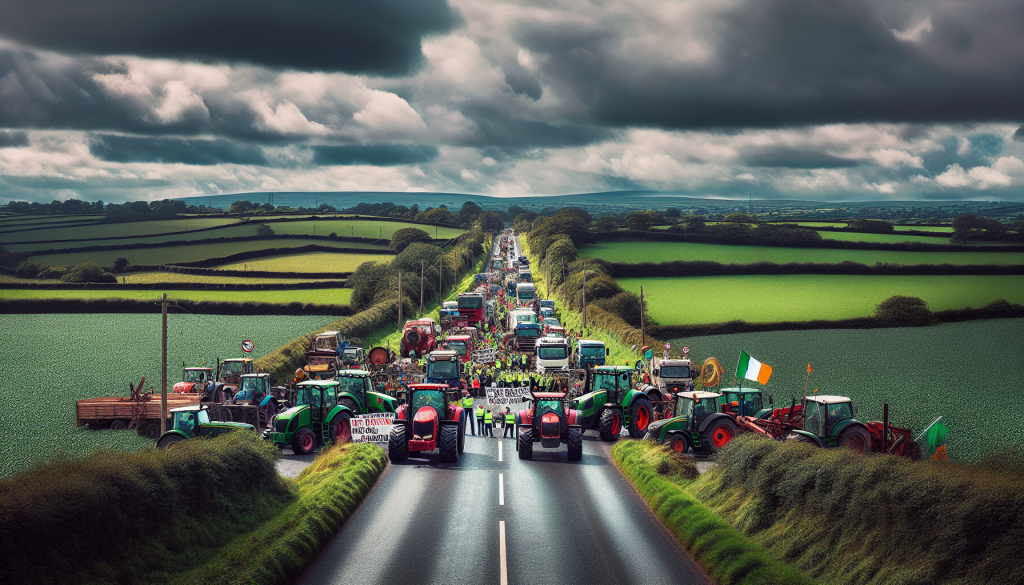
Travel disruptions persisted across several regions in the Republic of Ireland for the fourth consecutive day on Friday, as blockades involving vehicles and tractors obstructed key roads. These protests have significantly impacted daily commutes and logistics, causing widespread inconvenience for residents and businesses alike. The blockades are part of a broader demonstration reflecting public discontent over fuel prices and related economic pressures.
In response to the ongoing unrest, the Irish government is preparing a fuel support deal aimed at alleviating the financial strain on consumers and ending the road blockades. This move comes amid mounting pressure to restore normalcy and ensure the free flow of traffic and goods across the country. The proposed agreement is expected to address some of the core grievances driving the protests, signaling a willingness from authorities to engage with affected communities.
Notably, the blockade’s persistence highlights the broader challenges faced by governments worldwide in balancing energy costs with economic stability. The resolution of this situation will be closely watched as a potential model for managing similar crises in other nations. Meanwhile, the impact on Ireland’s transport and supply chains underscores the critical importance of timely government intervention in such disputes.

Leave an opinion